Can You Possess DMT Plants Legally in America?
- jamesbanky71
- Apr 6
- 4 min read

The question of whether you can legally possess plants containing DMT in America often causes confusion. DMT, or dimethyltryptamine, is a powerful psychedelic compound found in several plants. While the substance itself is controlled under federal law, the legal status of the plants that contain it is less clear. This post explores the current legal landscape surrounding DMT plants in the United States, helping you understand what is allowed and what is not.
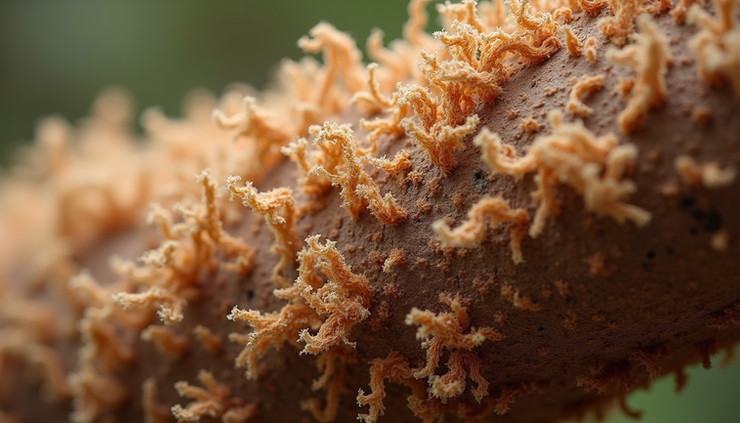
What Is DMT and Where Does It Come From?
DMT is a naturally occurring psychedelic compound found in various plants and animals. It is known for producing intense, short-lived hallucinogenic experiences. Some of the most well-known plants containing DMT include:
Mimosa hostilis (root bark)
Psychotria viridis (leaves)
Desmodium gangeticum
Acacia species
These plants have been used traditionally in indigenous rituals, often brewed into ayahuasca, a psychoactive tea.
Federal Law on DMT and DMT-Containing Plants
Under the Controlled Substances Act (CSA), DMT is classified as a Schedule I substance. This means it is illegal to manufacture, buy, possess, or distribute DMT for any purpose, except under specific research licenses.
However, the law does not explicitly mention the plants themselves. This creates a legal gray area because:
The pure compound DMT is illegal.
The plants containing DMT are often legal to possess, sell, or grow, depending on the species and state laws.
For example, Mimosa hostilis root bark is often sold legally as a botanical product or for research purposes. But extracting DMT from it is illegal.
State Laws and Variations
State laws can vary widely when it comes to DMT plants. Some states have taken steps to ban certain plants or their extracts, while others have no specific regulations.
Oregon has legalized the supervised use of psilocybin but has not legalized DMT or its plants.
California does not ban the possession of Mimosa hostilis root bark but prohibits DMT extraction.
Louisiana allows the religious use of ayahuasca in certain contexts, protecting the use of DMT-containing plants for specific ceremonies.
Because of this patchwork of laws, it is important to check local regulations before possessing or cultivating any DMT-containing plants.
Legal Risks of Possessing DMT Plants
Even if the plants themselves are not explicitly illegal, there are risks:
Intent to extract DMT: Law enforcement may consider possession of large quantities of DMT plants as evidence of intent to manufacture a controlled substance.
Misidentification: Some plants may be mistaken for illegal substances or banned species.
State-specific bans: Some states have banned specific plants or their extracts.
For example, in 2019, a case in Texas involved the seizure of Mimosa hostilis root bark, with charges related to intent to manufacture DMT. This shows how possession can lead to legal trouble depending on circumstances.
Religious and Cultural Exceptions
Certain religious groups have legal protections to use ayahuasca, which contains DMT, in ceremonies. The U.S. Supreme Court has recognized the religious use of peyote, another controlled plant, and similar protections apply to ayahuasca in some cases.
The Santo Daime and União do Vegetal (UDV) churches have won legal battles to use ayahuasca in their rituals.
These exceptions are narrow and do not apply to general possession or recreational use.
Practical Advice for Those Interested in DMT Plants
If you are considering possessing or growing DMT plants, keep these points in mind:
Research your state laws carefully before acquiring any plants.
Avoid large quantities that could suggest intent to extract DMT.
Do not attempt to extract or consume DMT unless under legal religious or research contexts.
Consider consulting a legal expert if you plan to use these plants for any purpose.
The Future of DMT Plant Legality in America
Psychedelic laws are evolving rapidly. Some states and cities are moving toward decriminalizing certain psychedelics, including psilocybin mushrooms and possibly DMT. However, federal law remains strict.
Advocates argue for the therapeutic potential of DMT and related plants, which may influence future legislation. Until then, the legal status remains complex and uncertain.

Summary
The legality of DMT plants in America depends on a mix of federal and state laws. While DMT itself is illegal, many plants containing it are not explicitly banned. This creates a legal gray area that requires caution. Possessing these plants is often legal, but extracting or using DMT is not, except in limited religious or research contexts.
https://webcartels.vip/product/order-kismet-magic-mushroom-gummies/ https://webcartels.vip/product/order-kismet-magic-mushroom-gummies/


Comments