Exploring the Efficacy of Psilocybin Therapy in Treating Depression
- jamesbanky71
- Apr 29
- 4 min read

Depression affects millions worldwide, often resisting traditional treatments like antidepressants and psychotherapy. Recently, psilocybin therapy has gained attention as a promising alternative. This natural compound, found in certain mushrooms, shows potential to ease depressive symptoms in ways conventional methods sometimes cannot. Understanding what we know about psilocybin therapy helps clarify its role and limitations in mental health care.

What Is Psilocybin Therapy?
Psilocybin is a psychoactive substance found in over 200 species of mushrooms. When ingested, it affects serotonin receptors in the brain, altering perception, mood, and cognition. Psilocybin therapy involves administering controlled doses of this compound in a clinical setting, often combined with psychological support.
Unlike recreational use, therapeutic sessions are carefully guided by trained professionals. The goal is to create a safe environment where patients can explore emotions and thoughts that contribute to depression. This approach contrasts with daily medication by focusing on short-term treatment with lasting effects.
How Psilocybin Works in the Brain
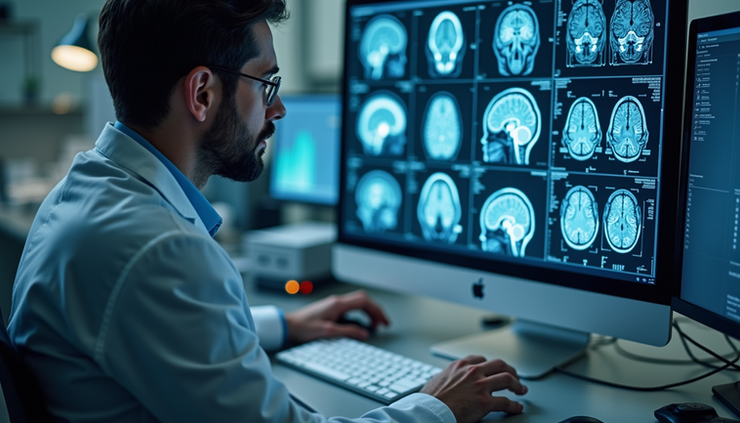
Research shows psilocybin impacts brain networks involved in mood regulation. It temporarily reduces activity in the default mode network (DMN), a brain system linked to self-focused thinking and rumination, common in depression. This reduction may allow patients to break free from negative thought patterns.
Additionally, psilocybin promotes neural plasticity, encouraging new connections between brain cells. This effect might help the brain "reset" and adopt healthier ways of processing emotions. Studies using brain imaging confirm these changes can last weeks or months after a single session.
Evidence Supporting Psilocybin Therapy for Depression
Several clinical trials have tested psilocybin therapy on patients with treatment-resistant depression. One notable study published in JAMA Psychiatry in 2020 involved 24 participants who received two doses of psilocybin alongside psychotherapy. Results showed significant reductions in depression scores lasting up to four weeks.
Another trial at Johns Hopkins University found that 71% of participants experienced clinically meaningful improvement after psilocybin treatment, with some reporting relief lasting six months or longer. These findings suggest psilocybin may offer benefits beyond what traditional antidepressants provide.
What to Expect During Psilocybin Therapy
Therapy typically involves three phases:
Preparation: Patients meet with therapists to discuss goals, set intentions, and build trust.
Dosing session: Under supervision, patients take psilocybin in a calm, controlled environment. Sessions last 6 to 8 hours, during which therapists provide support but do not direct the experience.
Integration: Follow-up meetings help patients process insights gained and apply them to daily life.
The experience can include vivid visual effects, emotional release, and altered sense of time. While some find it challenging, many describe it as deeply meaningful and transformative.

Risks and Considerations
Psilocybin therapy is not without risks. It can cause anxiety, confusion, or distress during sessions, especially if patients are unprepared or have underlying psychiatric conditions like schizophrenia. That is why screening and professional guidance are essential.
Legal status also varies by country and region. In many places, psilocybin remains a controlled substance, limiting access to therapy outside research settings. Patients should consult healthcare providers and consider legal implications before pursuing treatment.
Comparing Psilocybin Therapy to Traditional Treatments
Traditional antidepressants often require daily use and can take weeks to show effects. They may cause side effects such as weight gain, sexual dysfunction, or fatigue. Psychotherapy requires time and commitment, and not all patients respond.
Psilocybin therapy offers a different model: a few supervised sessions with potential for lasting improvement. It targets brain mechanisms differently and may help patients gain new perspectives on their depression. However, it is not a universal solution and works best as part of a comprehensive treatment plan.
Future Directions and Research
Ongoing studies aim to better understand optimal dosing, long-term safety, and how psilocybin therapy can be integrated into mental health care. Researchers are exploring its use for other conditions like anxiety, PTSD, and addiction.
As evidence grows, regulatory bodies may reconsider psilocybin’s legal status, potentially expanding access. Training more therapists and developing standardized protocols will be key to safe, effective treatment.
Summary
Psilocybin therapy shows promise as a treatment for depression, especially for those who have not found relief with traditional methods. It works by altering brain activity and promoting new ways of thinking. Clinical trials demonstrate meaningful improvements in symptoms, often lasting months after just a few sessions.
While not without risks, careful screening and professional support make psilocybin therapy a valuable option for some patients. As research continues, it may become a more widely accepted part of mental health care. Anyone interested should seek guidance from qualified professionals and stay informed about legal developments.
https://webcartels.vip/product/order-kismet-magic-mushroom-gummies/ https://webcartels.vip/product/order-kismet-magic-mushroom-gummies/


Comments