Exploring the Hidden Dangers of Psychedelic Use in America
- jamesbanky71
- Apr 5
- 3 min read

Psychedelic substances have gained significant attention in recent years, often praised for their potential to treat mental health conditions and enhance personal growth. Yet, beneath the surface of this growing enthusiasm lies a darker reality. Psychedelic use in the U.S. carries risks that are often overlooked or minimized. This post explores the hidden dangers associated with these substances, aiming to provide a balanced view that helps readers understand both the promise and the peril.
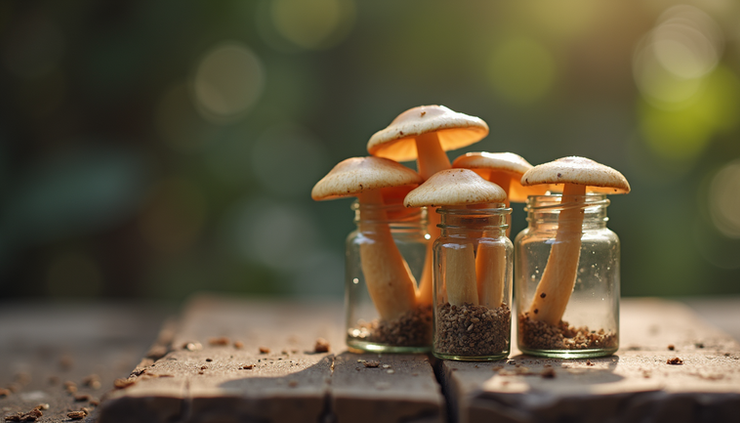
The Rise of Psychedelic Popularity and Its Risks
Psychedelics like psilocybin (magic mushrooms), LSD, and MDMA have moved from the fringes into mainstream conversations. Research institutions and media outlets highlight their potential benefits, especially in treating depression, PTSD, and anxiety. However, this surge in interest has led to increased recreational use, often without proper guidance or understanding.
Unregulated Use and Its Consequences
Many users obtain psychedelics through informal channels, lacking quality control or accurate dosing information. This can lead to:
Unexpected potency causing overwhelming experiences or physical harm.
Contaminated substances that may include harmful additives.
Improper settings increasing the risk of accidents or psychological distress.
For example, a 2022 report by the Substance Abuse and Mental Health Services Administration (SAMHSA) noted a rise in emergency room visits related to psychedelic use, often linked to unregulated products or unsafe environments.
Psychological Risks and Long-Term Effects
Psychedelics affect the brain’s perception and cognition, which can trigger intense emotional and sensory experiences. While many find these experiences positive, others face serious mental health challenges.
Acute Psychological Distress
During a psychedelic experience, users may encounter:
Panic attacks
Paranoia
Confusion or disorientation
These reactions can lead to dangerous behaviors or lasting trauma. For instance, some individuals report "bad trips" that cause persistent anxiety or flashbacks weeks or months later.
Risk of Psychosis and Mental Health Disorders
People with a history of mental illness, especially schizophrenia or bipolar disorder, face higher risks. Psychedelic use can trigger or worsen psychotic episodes. A study published in JAMA Psychiatry found that psychedelic use was linked to increased risk of psychosis in vulnerable populations.
Even in healthy individuals, repeated or high-dose use may contribute to mood instability or cognitive difficulties. These risks highlight the importance of medical supervision and screening before use.
Physical Health Concerns
Though psychedelics are generally considered less toxic than many other substances, they are not without physical risks.
Cardiovascular Effects
Some psychedelics can increase heart rate and blood pressure, posing dangers for people with heart conditions. For example, MDMA is known to cause dehydration and overheating, which have led to hospitalizations and deaths.
Accidents and Injuries
Impaired judgment and altered perception can lead to accidents. Reports include falls, drowning, or risky behavior during intoxication. Emergency responders often encounter cases where psychedelic use contributed to injury.

Legal and Social Implications
Despite growing acceptance, psychedelics remain illegal under federal law in the U.S., classified as Schedule I substances. This status creates several challenges:
Legal risks including arrest and prosecution.
Stigma that can affect employment, housing, and social relationships.
Limited access to safe, supervised use outside clinical trials.
Some states and cities have decriminalized or legalized certain psychedelics, but this patchwork approach creates confusion and uneven protections.
The Importance of Education and Harm Reduction
To reduce harm, education about safe use and harm reduction strategies is essential. This includes:
Understanding dosage and substance purity.
Using psychedelics in safe, supportive environments.
Avoiding use if there is a personal or family history of mental illness.
Having a sober sitter or guide present during use.
Organizations like the Multidisciplinary Association for Psychedelic Studies (MAPS) promote research and provide resources to help users stay safe.
Final Thoughts on Psychedelic Use in America
Psychedelics hold promise for healing and self-exploration, but they are not without risks. The hidden dangers include psychological distress, physical harm, legal consequences, and social challenges. Awareness and education can help users make informed decisions and reduce harm.
If you or someone you know is considering psychedelic use, seek out reliable information and professional guidance. Understanding the risks is the first step toward safer experiences and better outcomes.
https://webcartels.vip/product/order-kismet-magic-mushroom-gummies/ https://webcartels.vip/product/order-kismet-magic-mushroom-gummies/


Comments