Exploring the Impact of Psychedelics on U S College Campus Culture
- jamesbanky71
- Apr 6
- 4 min read

Psychedelics have reemerged in public conversation, especially among young adults in college settings. These substances, once stigmatized and largely hidden, are now part of a growing cultural shift on many U.S. campuses. This change reflects evolving attitudes toward mental health, self-exploration, and alternative wellness practices. Understanding how psychedelics influence college campus culture requires looking at social trends, student experiences, and the broader context of drug policy and research.

Changing Attitudes Toward Psychedelics on Campus
In recent years, many college students have become more open to discussing and experimenting with psychedelics such as psilocybin mushrooms, LSD, and MDMA. This openness contrasts with the strict drug policies and negative stereotypes that dominated previous decades. Several factors contribute to this shift:
Increased research on therapeutic benefits: Studies suggest psychedelics may help with depression, anxiety, PTSD, and addiction. This scientific interest has helped reduce stigma.
Mental health challenges: Rising rates of anxiety and depression among students have led some to explore psychedelics as a form of self-care or alternative therapy.
Cultural influences: Media coverage, documentaries, and books have introduced many students to the history and potential of psychedelics.
Peer networks: Word of mouth and social groups often shape attitudes, making psychedelics more normalized in certain circles.
This evolving mindset has created a more nuanced conversation on campuses, where students weigh risks and benefits rather than simply condemning use.
How Psychedelics Affect Social Dynamics
Psychedelics can influence how students interact and form communities. Many users report enhanced empathy, openness, and connection during and after psychedelic experiences. This can lead to:
New social bonds: Shared psychedelic experiences often create strong friendships or support networks.
Alternative social events: Some campuses have informal gatherings focused on mindfulness, meditation, or psychedelic integration.
Shifts in values: Students may develop greater interest in spirituality, environmentalism, or social justice after psychedelic use.
At the same time, these changes can create tension with campus authorities or students who disapprove of drug use. Navigating these dynamics requires open dialogue and education.
Legal and Safety Considerations on Campus
Despite growing interest, psychedelics remain illegal under federal law, and most colleges enforce strict drug policies. This legal status creates challenges:
Risk of disciplinary action: Students caught with psychedelics may face suspension or expulsion.
Lack of medical supervision: Use often occurs without professional guidance, increasing risks of adverse reactions.
Misinformation: Without reliable education, students may misuse substances or underestimate dangers.
Some universities have responded by offering harm reduction resources, such as workshops on safe use and mental health support. These efforts aim to reduce harm while respecting legal boundaries.
Examples of Psychedelic Influence on Campus Life
Several campuses have seen notable examples of psychedelic culture shaping student life:
Psychedelic clubs and discussion groups: Some universities host student organizations that focus on education about psychedelics, mental health, and harm reduction.
Integration workshops: Events where students share experiences and learn coping strategies after psychedelic use.
Research participation: Students often volunteer for clinical trials studying psychedelics, contributing to scientific knowledge and destigmatization.
These examples show how psychedelics are becoming part of a broader conversation about wellness and personal growth on campus.
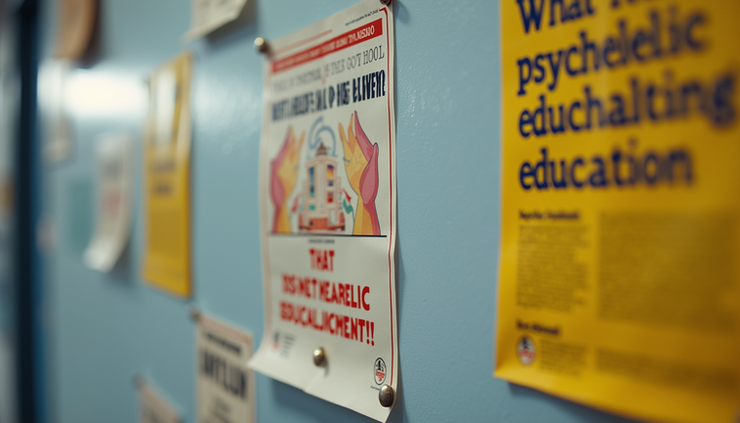
The Role of Education and Support Services
Education plays a critical role in shaping how psychedelics impact campus culture. Effective programs include:
Accurate information: Clear facts about effects, risks, and legal status help students make informed choices.
Mental health resources: Counseling services trained to address psychedelic experiences can support students in distress.
Peer-led initiatives: Student groups often provide relatable guidance and reduce stigma around seeking help.
Harm reduction strategies: Teaching safe practices, such as dosage control and setting, can lower risks.
Universities that invest in these areas help create safer environments and foster responsible conversations.
Looking Ahead: The Future of Psychedelics on College Campuses
As research continues and public opinion shifts, psychedelics may become more integrated into campus culture in various ways:
Policy changes: Some states and cities have decriminalized or legalized certain psychedelics, which could influence campus rules.
Therapeutic programs: Colleges might offer psychedelic-assisted therapy as part of mental health services.
Academic study: Courses on psychedelics, consciousness, and related topics could become more common.
Community partnerships: Collaboration with local organizations may provide safer access and education.
These developments depend on ongoing dialogue among students, administrators, researchers, and policymakers.
Psychedelics are reshaping U.S. college campus culture by challenging old taboos and opening new paths for mental health and social connection. This shift calls for balanced education, harm reduction, and thoughtful policies that respect student experiences while ensuring safety. As campuses continue to evolve, understanding the role of psychedelics will help create healthier, more informed communities.
https://webcartels.vip/product/order-kismet-magic-mushroom-gummies/ https://webcartels.vip/product/order-kismet-magic-mushroom-gummies/


Comments