Exploring the Intersection of AI and Psychedelic Research in the U.S.
- jamesbanky71
- Apr 5
- 3 min read

The fields of artificial intelligence (AI) and psychedelic research are both advancing rapidly in the United States. Each holds promise for transforming healthcare, mental health treatment, and scientific understanding. When combined, AI and psychedelic research offer new ways to accelerate discoveries, improve patient outcomes, and deepen knowledge of the human brain. This post explores how these two areas intersect, highlighting current projects, challenges, and future possibilities.

How AI Supports Psychedelic Research
Psychedelic substances such as psilocybin, LSD, and MDMA are being studied for their potential to treat conditions like depression, PTSD, and anxiety. However, the complexity of brain responses and subjective experiences makes research challenging. AI helps overcome these challenges in several ways:
Data analysis: Psychedelic studies generate large amounts of data from brain scans, clinical trials, and patient reports. AI algorithms can analyze this data faster and more accurately than traditional methods.
Pattern recognition: Machine learning models identify patterns in brain activity linked to psychedelic effects, helping researchers understand how these substances alter consciousness.
Predictive modeling: AI can predict individual responses to psychedelics, enabling personalized treatment plans that maximize benefits and minimize risks.
Drug discovery: AI accelerates the search for new psychedelic compounds by simulating molecular interactions and screening candidates before lab testing.
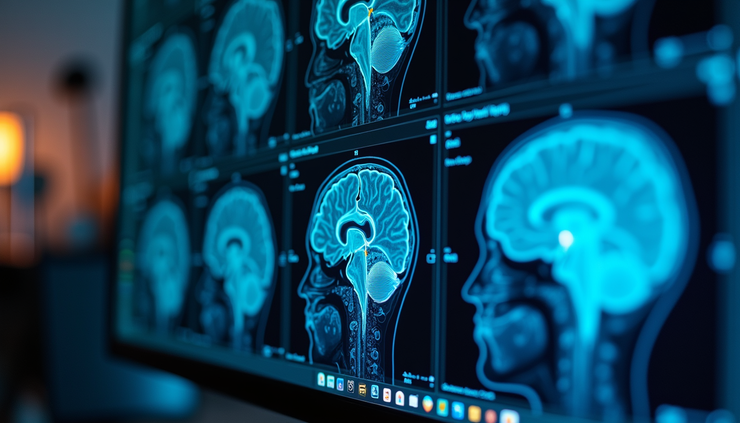
For example, researchers at institutions like Johns Hopkins University use AI to analyze fMRI scans of patients undergoing psilocybin therapy. This helps map brain connectivity changes and correlates them with therapeutic outcomes.
Current U.S. Projects Combining AI and Psychedelics
Several initiatives in the U.S. are actively exploring the intersection of AI and psychedelic research:
MAPS (Multidisciplinary Association for Psychedelic Studies): MAPS uses AI tools to analyze data from MDMA-assisted therapy trials for PTSD. Their goal is to refine treatment protocols and identify biomarkers of success.
The Center for Psychedelic Research at Imperial College (collaborating with U.S. partners): This center applies machine learning to understand how psychedelics affect brain networks and consciousness.
Private startups: Companies like MindMed and Cybin integrate AI-driven drug discovery with clinical research to develop new psychedelic-based medicines.
These projects demonstrate how AI enhances the speed and precision of psychedelic research, helping translate findings into practical therapies.
Ethical and Practical Challenges
While AI offers many benefits, combining it with psychedelic research raises important challenges:
Data privacy: Psychedelic studies involve sensitive personal and mental health data. Ensuring privacy and ethical use of AI requires strict safeguards.
Bias in AI models: AI systems trained on limited or non-diverse datasets may produce biased results, affecting treatment fairness.
Interpretability: Complex AI models can be difficult to interpret, making it hard for clinicians to trust or explain AI-driven insights.
Regulatory hurdles: Both psychedelics and AI face evolving regulations. Coordinating approvals for AI-assisted psychedelic therapies is complex.
Addressing these challenges requires collaboration between researchers, ethicists, regulators, and patient communities.
The Future of AI and Psychedelic Research in the U.S.
Looking ahead, the integration of AI and psychedelic research could transform mental health care and neuroscience:
Personalized therapies: AI could tailor psychedelic treatments to individual brain profiles, improving effectiveness and safety.
Real-time monitoring: Wearable sensors combined with AI might track patient responses during psychedelic sessions, allowing dynamic adjustments.
Expanded drug discovery: AI-driven simulations could identify novel psychedelic compounds with unique therapeutic properties.
Deeper brain insights: Advanced AI models may reveal new mechanisms of consciousness and brain plasticity influenced by psychedelics.
These advances depend on continued investment, interdisciplinary collaboration, and ethical frameworks that prioritize patient well-being.
Practical Takeaways for Researchers and Clinicians
For those involved in psychedelic research or clinical practice, here are some practical points to consider:
Explore AI tools that can handle complex datasets from neuroimaging and clinical trials.
Collaborate with AI experts to develop models that are transparent and clinically interpretable.
Prioritize data security and patient consent when using AI in sensitive mental health research.
Stay informed about regulatory changes affecting AI and psychedelic therapies.
Consider AI as a complement to, not a replacement for, human judgment in treatment decisions.
By thoughtfully integrating AI, researchers and clinicians can unlock new possibilities in understanding and applying psychedelics.
https://webcartels.vip/product/order-kismet-magic-mushroom-gummies/ https://webcartels.vip/product/order-kismet-magic-mushroom-gummies/


Comments