Exploring the Science of Ego Dissolution and Its Impact on Consciousness

Ego dissolution is a fascinating phenomenon that challenges our everyday experience of self. It involves a temporary loss or weakening of the sense of a separate, individual identity. This experience can profoundly alter how people perceive themselves and the world around them. Scientists and researchers have begun to explore the mechanisms behind ego dissolution and its effects on consciousness, revealing insights that could reshape our understanding of the mind.

What Is Ego Dissolution?
Ego dissolution refers to a state where the boundaries between the self and the external world become blurred or disappear. People often describe it as feeling one with the universe, losing the usual sense of "I" or "me." This state can occur naturally during deep meditation, intense emotional experiences, or through the use of certain psychoactive substances like psychedelics.
The ego, in psychological terms, is the part of the mind that organizes thoughts, memories, and perceptions into a coherent sense of identity. It helps us navigate daily life by distinguishing ourselves from others. When this structure weakens, the usual filters that separate self from environment dissolve, leading to a radically different experience of reality.
How Does Ego Dissolution Affect Consciousness?
Consciousness is the awareness of ourselves and our surroundings. Ego dissolution alters this awareness by changing how the brain processes information about the self. Instead of focusing on individual identity, consciousness expands to include a broader, more interconnected perspective.
This shift can lead to:
A sense of unity with others or nature
Reduced fear of death or loss
Increased feelings of peace and well-being
New insights into personal problems or life purpose
These effects suggest that ego dissolution might help people overcome rigid thought patterns and emotional blocks.
The Neuroscience Behind Ego Dissolution
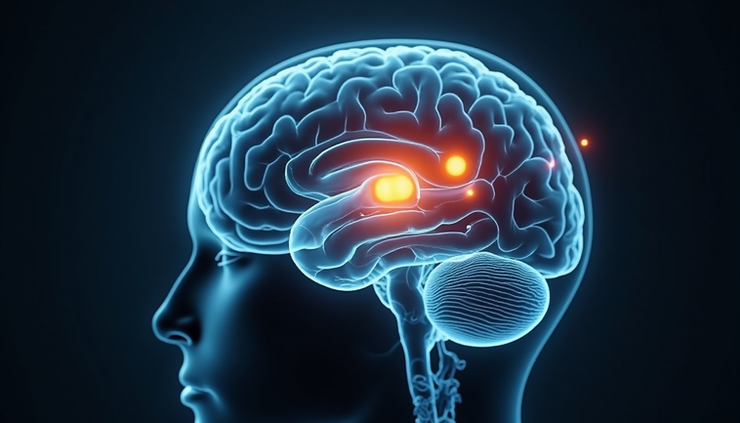
Recent brain imaging studies have provided clues about what happens during ego dissolution. One key finding involves the default mode network (DMN), a group of brain regions active when the mind is at rest and focused inward. The DMN supports self-referential thinking, such as reflecting on personal memories or planning for the future.
During ego dissolution, activity in the DMN decreases significantly. This reduction correlates with the loss of self-boundaries and the feeling of merging with the environment. Psychedelic substances like psilocybin and LSD are known to disrupt the DMN, which explains why they often induce ego dissolution experiences.
Another important aspect is increased connectivity between brain regions that usually do not communicate much. This enhanced cross-talk may create novel ways of processing information, leading to the profound insights reported by individuals undergoing ego dissolution.
Practical Examples of Ego Dissolution
Many people have reported ego dissolution in different contexts:
Meditation practitioners often describe moments where their sense of self fades, replaced by a feeling of oneness with their surroundings.
Psychedelic therapy sessions have documented cases where patients experience ego dissolution, which helps them confront deep-seated fears or trauma.
Near-death experiences sometimes include a loss of self-identity and a sense of merging with a greater whole.
These examples show that ego dissolution is not limited to drug use but can arise through various means that alter brain function and consciousness.

Potential Benefits and Risks
Ego dissolution has promising therapeutic potential. Studies suggest it can:
Reduce symptoms of depression and anxiety
Help with addiction recovery
Enhance creativity and problem-solving
Promote spiritual growth and emotional healing
However, it is not without risks. For some, losing the sense of self can be frightening or disorienting. Without proper guidance or support, ego dissolution experiences might trigger anxiety or worsen mental health conditions.
Careful screening and professional supervision are essential when exploring ego dissolution through psychedelics or intense meditation practices.
Future Directions in Research
Scientists continue to investigate how ego dissolution can be safely harnessed for mental health treatment. Ongoing studies focus on:
Mapping brain activity during ego dissolution with advanced imaging techniques
Understanding long-term effects on personality and well-being
Developing protocols for therapeutic use of psychedelics
Exploring non-drug methods to induce ego dissolution
As research progresses, we may see new therapies that use ego dissolution to help people break free from harmful thought patterns and improve their quality of life.
https://webcartels.vip/product/order-kismet-magic-mushroom-gummies/ https://webcartels.vip/product/order-kismet-magic-mushroom-gummies/


Comments