Exploring the Vibrant Realm of Psychedelic Art and Culture in America
- jamesbanky71
- Apr 4
- 4 min read

Psychedelic art and culture have shaped a unique and influential chapter in American history. From the swirling colors of 1960s concert posters to the ongoing resurgence in music, fashion, and visual arts, this movement reflects a deep connection between creativity, consciousness, and social change. This post explores how psychedelic art emerged, evolved, and continues to inspire new generations across the United States.
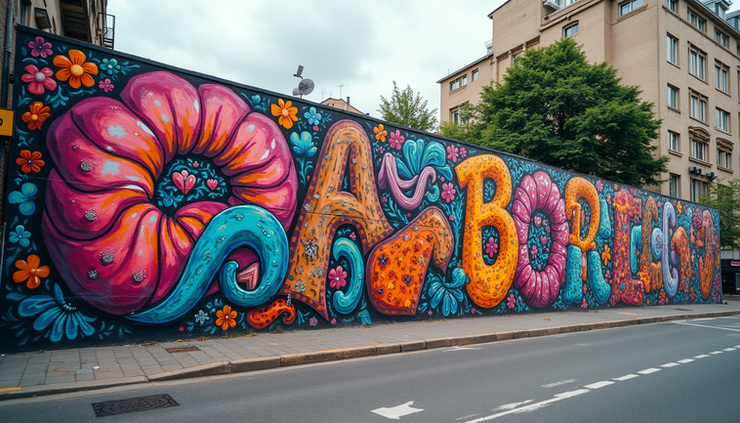
Origins of Psychedelic Art in the U.S.
Psychedelic art in America began gaining momentum in the early 1960s, closely tied to the counterculture movement and the widespread use of psychedelic substances like LSD. Artists sought to visually represent altered states of consciousness, often using vivid colors, intricate patterns, and surreal imagery.
Key influences included:
Surrealism and Abstract Art: Artists like Salvador Dalí inspired the dreamlike and distorted visuals.
Native American and Indigenous Art: Symbolism and motifs from indigenous cultures influenced psychedelic designs.
Art Nouveau: The flowing lines and organic shapes of this early 20th-century style found new life in psychedelic posters and album covers.
The San Francisco Bay Area became a hub for this artistic explosion. Venues like the Fillmore Auditorium hosted concerts where psychedelic posters by artists such as Wes Wilson and Victor Moscoso became iconic.
Psychedelic Art and Music: A Symbiotic Relationship
Music and psychedelic art grew hand in hand. Bands like The Grateful Dead, Jefferson Airplane, and The Doors not only defined the sound of the era but also inspired visual artists to create posters and album covers that captured the spirit of their music.
Concert Posters: These posters were more than advertisements; they were collectible art pieces that used vibrant colors and distorted typography to evoke the psychedelic experience.
Album Covers: Artists like Rick Griffin and Stanley Mouse created covers that became synonymous with the bands themselves, such as The Grateful Dead’s skull and roses imagery.
This connection helped spread psychedelic culture beyond music fans to a broader audience interested in new ways of seeing and thinking.
Psychedelic Culture Beyond Art
Psychedelic culture in the U.S. extended into lifestyle, fashion, and spirituality. The movement encouraged exploration of consciousness, freedom of expression, and breaking social norms.
Fashion: Tie-dye shirts, bell-bottom pants, and colorful patterns became symbols of the psychedelic era.
Spirituality: Interest in Eastern philosophies, meditation, and alternative healing practices grew alongside psychedelic use.
Festivals: Events like Woodstock in 1969 showcased the communal and celebratory aspects of the culture.
These elements combined to create a lifestyle that valued creativity, openness, and connection.

The Revival of Psychedelic Art in Contemporary America
In recent years, psychedelic art has experienced a revival. This resurgence is visible in music festivals, street art, and digital media. Younger artists draw inspiration from the original movement while incorporating modern technology and social themes.
Music Festivals: Events like Burning Man and Electric Daisy Carnival feature psychedelic visuals and immersive art installations.
Street Art: Murals with psychedelic motifs appear in cities like Los Angeles, Austin, and New York.
Digital Art: Artists use software to create animated and interactive psychedelic experiences.
This revival also connects to renewed interest in psychedelics for mental health research, which has brought the culture back into public conversation.
Practical Ways to Explore Psychedelic Art and Culture Today
If you want to experience psychedelic art and culture firsthand, here are some ways to get involved:
Visit Museums and Galleries: Some institutions host exhibitions dedicated to psychedelic art history and contemporary works.
Attend Festivals and Events: Look for music and art festivals that feature psychedelic themes and immersive environments.
Explore Local Street Art: Many cities have neighborhoods known for vibrant murals and public art inspired by psychedelic aesthetics.
Create Your Own Art: Experiment with colors, patterns, and mediums to express your interpretation of psychedelic themes.
Engaging with this culture can deepen your appreciation for its creativity and historical significance.
Psychedelic Art’s Impact on American Culture
Psychedelic art has left a lasting mark on American culture. It challenged traditional artistic boundaries and encouraged new ways of thinking about perception and reality. Its influence can be seen in:
Graphic Design: Bold colors and experimental typography continue to inspire designers.
Film and Media: Psychedelic visuals appear in movies, music videos, and virtual reality experiences.
Social Movements: The emphasis on freedom and exploration contributed to broader cultural shifts in the 1960s and beyond.
Understanding this impact helps recognize how art can shape society and individual perspectives.
https://webcartels.vip/product/order-kismet-magic-mushroom-gummies/ https://webcartels.vip/product/order-kismet-magic-mushroom-gummies/


Comments