Is Microdosing Legal Anywhere in the U.S.?
- jamesbanky71
- Apr 5
- 4 min read

Microdosing has gained attention as a practice where individuals take very small amounts of psychedelic substances, often to enhance creativity, focus, or mood without experiencing full hallucinogenic effects. Despite growing interest and anecdotal reports of benefits, the legal status of microdosing remains complex and varies widely across the United States. This post explores where microdosing stands legally, breaking down state-by-state regulations and what users should know before considering this practice.

What Is Microdosing and Why Does It Matter Legally?
Microdosing typically involves taking about one-tenth to one-twentieth of a recreational dose of substances like LSD or psilocybin mushrooms. The goal is subtle effects that improve mental clarity or emotional balance without hallucinations.
Legally, these substances are mostly classified as Schedule I drugs under federal law, meaning they are considered to have a high potential for abuse and no accepted medical use. This classification makes possession, distribution, or use illegal at the federal level.
However, some states and cities have started to change their approach, creating a patchwork of laws that can confuse users. Understanding these differences is crucial for anyone interested in microdosing.
Federal Law and Its Impact on Microdosing
At the federal level, the Controlled Substances Act (CSA) lists LSD and psilocybin as Schedule I substances. This means:
Possession is illegal and can lead to criminal charges.
There is no legal medical use recognized by the federal government.
Research is highly restricted and requires special licenses.
Because federal law supersedes state law, technically, microdosing remains illegal everywhere in the U.S. However, enforcement priorities vary, and some states have decriminalized or deprioritized prosecution for personal use.
States That Have Decriminalized Psychedelic Substances
Several states and cities have taken steps to reduce penalties or decriminalize possession of psychedelics, including for microdosing purposes. These changes do not legalize the substances but reduce the risk of criminal charges.
Oregon
Oregon stands out as the first state to legalize psilocybin for therapeutic use through Measure 109, passed in 2020. This law allows licensed therapists to administer psilocybin in controlled settings but does not legalize personal possession or microdosing outside these programs.
Oregon also passed Measure 110, which decriminalizes possession of small amounts of all drugs, including psychedelics. This means possession is treated as a civil violation, similar to a traffic ticket, rather than a criminal offense.
Colorado
In 2022, Denver became the first U.S. city to decriminalize psilocybin mushrooms. Following this, Colorado passed statewide legislation (Proposition 122) legalizing personal use and possession of small amounts of certain psychedelics, including psilocybin and psilocin, for adults 21 and older. This law allows personal microdosing without fear of criminal charges.
California
While California has not legalized psychedelics, several cities like Oakland, Santa Cruz, and San Francisco have decriminalized natural psychedelics. This means law enforcement prioritizes other crimes over possession of small amounts of substances like psilocybin mushrooms.
Other States and Cities
Washington, D.C. decriminalized entheogenic plants in 2020.
Ann Arbor, Michigan and Somerville, Massachusetts have passed similar decriminalization measures.
Massachusetts has a growing movement pushing for legalization and decriminalization.
These local laws reduce legal risks but do not provide full legal protection or regulate microdosing.
States Where Microdosing Remains Illegal and Risky
Most states still classify psychedelics as illegal substances with strict penalties. In these states:
Possession of any amount can lead to criminal charges.
Distribution or sale is a felony.
Microdosing carries the same legal risks as recreational use.
Examples include Texas, Florida, and New York, where no significant decriminalization or legalization efforts have passed.
Medical and Research Exceptions
Some states allow limited medical or research use of psychedelics under strict conditions:
New Mexico permits psilocybin therapy through licensed providers.
Colorado and Oregon have research programs studying therapeutic uses.
The FDA has granted "breakthrough therapy" status to psilocybin for depression, which may influence future laws.
These exceptions do not extend to personal microdosing outside clinical settings.
Practical Considerations for Microdosing Users
If you are considering microdosing, keep these points in mind:
Know your state and local laws. Decriminalization does not mean legal. Penalties vary widely.
Understand federal risks. Even in decriminalized areas, federal law applies and can be enforced.
Consider medical supervision. Therapeutic programs in Oregon and New Mexico offer safer, legal access.
Avoid purchasing or selling substances. Distribution remains illegal and carries heavy penalties.
Stay informed. Laws are evolving rapidly; what is illegal today may change soon.
The Future of Microdosing Legality in the U.S.
Public opinion and scientific research are shifting attitudes toward psychedelics. More states are exploring decriminalization or medical legalization, and federal policy discussions are underway.
Experts predict:
More states will follow Oregon and Colorado’s lead.
Federal rescheduling or legalization could happen within the next decade.
Increased research will clarify benefits and risks, influencing laws.
Until then, microdosing remains a legal gray area with potential risks.
Summary and Next Steps
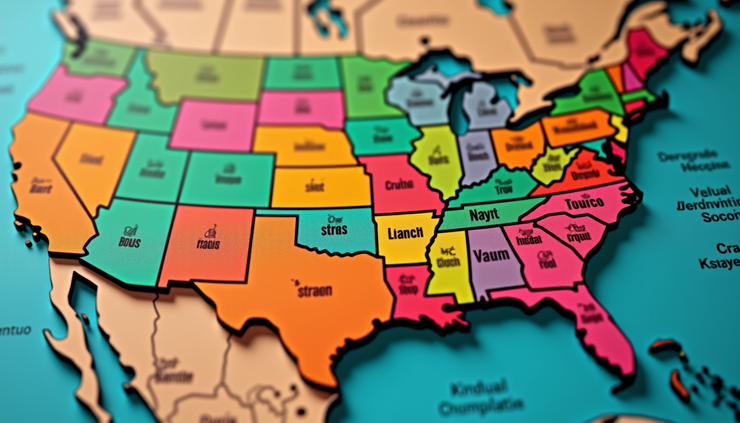
Microdosing psychedelics in the U.S. is mostly illegal under federal law, but some states and cities have reduced penalties or legalized limited use. Oregon and Colorado lead with the most progressive laws, while many states maintain strict prohibitions.
https://webcartels.vip/product/order-kismet-magic-mushroom-gummies/ https://webcartels.vip/product/order-kismet-magic-mushroom-gummies/


Comments