Key Findings from Recent Clinical Trials on Psilocybin

Psilocybin, a naturally occurring psychedelic compound found in certain mushrooms, has gained significant attention in recent years due to its potential therapeutic effects. Clinical trials have explored its use for various mental health conditions, revealing promising results that could reshape treatment approaches. This article reviews key findings from recent clinical trials on psilocybin, highlighting its effects, safety profile, and potential applications.

Psilocybin and Mental Health: Overview of Clinical Trials
Clinical trials have primarily focused on psilocybin’s impact on mental health disorders such as depression, anxiety, post-traumatic stress disorder (PTSD), and addiction. These studies often involve controlled doses of psilocybin administered in a supervised setting, combined with psychological support.
Depression and Treatment-Resistant Cases
One of the most studied areas is treatment-resistant depression. Traditional antidepressants fail to help a significant portion of patients, which has led researchers to explore alternatives. Recent trials have shown that psilocybin can produce rapid and sustained reductions in depressive symptoms.
A 2020 study published in JAMA Psychiatry involved 24 participants with major depressive disorder. After two doses of psilocybin combined with psychotherapy, 71% showed a clinically significant response after four weeks.
Another trial demonstrated that psilocybin’s antidepressant effects lasted up to six months in many patients, suggesting long-term benefits beyond the immediate treatment window.
These findings suggest psilocybin could offer a new option for patients who do not respond to conventional treatments.
Anxiety Reduction in Life-Threatening Illness
Psilocybin has also been tested for anxiety related to terminal illnesses such as cancer. Anxiety and existential distress are common in these patients, and current treatments often provide limited relief.
A landmark study at Johns Hopkins University involved 51 cancer patients with anxiety or depression. A single dose of psilocybin led to significant reductions in anxiety and depression scores, with effects lasting up to six months.
Participants reported improved quality of life and a greater sense of meaning and acceptance after treatment.
This research highlights psilocybin’s potential to improve emotional well-being in patients facing serious health challenges.
How Psilocybin Works: Insights from Brain Imaging
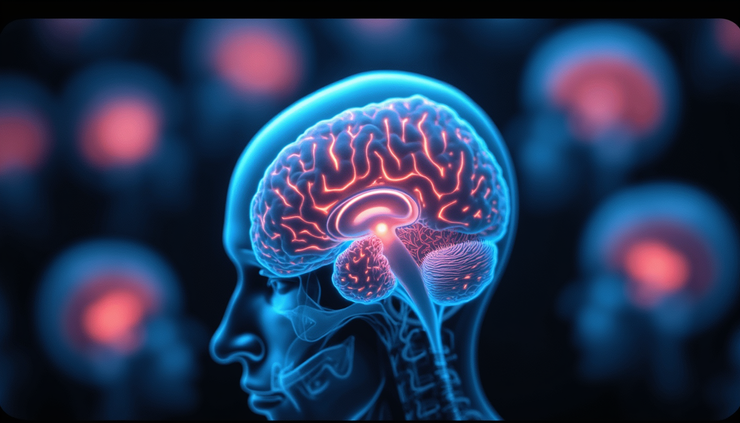
Understanding psilocybin’s effects on the brain helps explain its therapeutic potential. Brain imaging studies using fMRI and PET scans have revealed changes in brain activity and connectivity after psilocybin administration.
Psilocybin reduces activity in the default mode network (DMN), a brain network linked to self-referential thoughts and rumination. Overactivity in the DMN is associated with depression and anxiety.
The compound increases connectivity between brain regions that do not usually communicate, which may promote new perspectives and cognitive flexibility.
These neural changes correlate with reported improvements in mood and cognition.
This evidence supports the idea that psilocybin can “reset” brain networks involved in mental health disorders.
Safety and Side Effects in Clinical Settings
Safety is a critical concern in any new treatment. Clinical trials have carefully monitored psilocybin’s side effects and risks.
Most side effects are mild and short-lived, including headache, nausea, dizziness, and transient anxiety during the experience.
No serious adverse events or long-term negative effects have been reported in controlled trials.
The supervised setting with psychological support is essential to minimize risks and manage challenging experiences.
These findings suggest psilocybin is safe when used responsibly in clinical environments.
Potential Applications Beyond Mental Health
While most research focuses on mental health, psilocybin’s effects may extend to other areas.
Addiction treatment: Early trials show psilocybin-assisted therapy can help reduce alcohol and tobacco dependence by promoting behavioral change and emotional insight.
Cluster headaches: Some anecdotal reports and small studies suggest psilocybin may reduce the frequency and severity of cluster headaches.
Creativity and problem-solving: Though less studied, some evidence indicates psilocybin may enhance creativity and cognitive flexibility, which could have broader applications.
Further research is needed to confirm these potential uses.

What This Means for the Future of Psychedelic Medicine
The growing body of clinical evidence positions psilocybin as a promising tool in mental health care. Its ability to produce rapid, lasting improvements with a favorable safety profile challenges traditional treatment models.
Psilocybin could become part of mainstream psychiatric treatment, especially for patients who do not respond to existing medications.
Regulatory changes are underway in some regions to allow medical use of psilocybin under supervision.
Training for therapists and development of standardized protocols will be crucial for safe and effective implementation.
Patients and clinicians should stay informed about ongoing research and emerging treatment options.
https://webcartels.vip/product/order-kismet-magic-mushroom-gummies/ https://webcartels.vip/product/order-kismet-magic-mushroom-gummies/


Comments