Leading Psychedelic Research Institutions in America
- jamesbanky71
- Apr 5
- 3 min read

Mental health challenges affect millions of Americans every year, and traditional treatments do not always provide relief. Psychedelic research has emerged as a promising field offering new hope for conditions like depression, PTSD, and anxiety. Across the United States, several institutions lead the way in studying these substances, exploring their potential to transform mental health care. This post highlights five of the most influential psychedelic research centers in America, showcasing their work and impact.
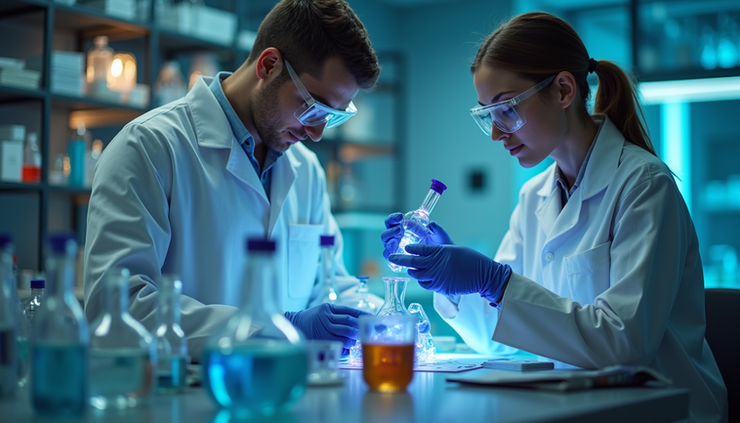
1. Johns Hopkins Center for Psychedelic and Consciousness Research
Johns Hopkins University in Baltimore, Maryland, is widely recognized as a pioneer in psychedelic research. Established in 2019, the Center for Psychedelic and Consciousness Research has conducted groundbreaking studies on psilocybin, the active compound in magic mushrooms. Their research focuses on how psilocybin can help treat depression, addiction, and existential distress in terminal illness.
Key contributions include:
Demonstrating psilocybin’s potential to reduce major depressive disorder symptoms after just a few sessions.
Investigating the effects of psychedelics on brain connectivity and consciousness.
Publishing influential clinical trial results that have shaped regulatory discussions.
The center combines rigorous scientific methods with compassionate patient care, setting a high standard for psychedelic research worldwide.
2. Multidisciplinary Association for Psychedelic Studies (MAPS)
MAPS, based in Santa Cruz, California, is a nonprofit organization dedicated to developing medical, legal, and cultural contexts for people to benefit from psychedelics. It has been instrumental in advancing research on MDMA-assisted therapy for post-traumatic stress disorder (PTSD).
Highlights of MAPS’ work include:
Leading Phase 3 clinical trials for MDMA-assisted psychotherapy, showing significant improvements in PTSD symptoms.
Collaborating with the FDA to gain breakthrough therapy designation for MDMA.
Supporting education and training programs for therapists using psychedelic-assisted treatments.
MAPS also advocates for policy reform and public awareness, helping to reduce stigma around psychedelics.
3. The Heffter Research Institute
Founded in 1993 and located in New Mexico, the Heffter Research Institute focuses on the therapeutic use of classic psychedelics, especially psilocybin. It supports clinical research and fosters collaboration between scientists and medical professionals.
Notable achievements include:
Funding early studies that demonstrated psilocybin’s safety and efficacy in controlled settings.
Exploring psychedelics’ role in treating addiction, anxiety, and depression.
Promoting ethical guidelines and best practices for psychedelic research.
Heffter’s work has laid the foundation for many modern clinical trials and helped legitimize psychedelic therapy in the medical community.
4. Center for Psychedelic Research at NYU Langone Health
New York University’s Langone Health center is a growing hub for psychedelic studies, focusing on brain imaging and neurobiology. Researchers there use advanced technology to understand how psychedelics affect brain function and mental health.
Key research areas include:
Using MRI and PET scans to observe changes in brain activity during psychedelic experiences.
Studying the effects of psilocybin on anxiety and depression in cancer patients.
Investigating how psychedelics influence emotional processing and cognition.
NYU’s approach combines neuroscience with clinical trials, providing valuable insights into the mechanisms behind psychedelic therapy.

5. University of California, San Francisco (UCSF) Psychedelic Research Program
UCSF has recently expanded its focus on psychedelics within its broader mental health research initiatives. The program emphasizes clinical applications and community engagement.
Key features include:
Conducting clinical trials on psilocybin and other psychedelics for treatment-resistant depression.
Partnering with local organizations to increase access to psychedelic therapies.
Training healthcare providers in psychedelic-assisted treatment protocols.
UCSF’s program aims to integrate psychedelic research into mainstream medicine while addressing social and ethical considerations.
https://webcartels.vip/product/order-kismet-magic-mushroom-gummies/ https://webcartels.vip/product/order-kismet-magic-mushroom-gummies/


Comments