LSD for Beginners in the U.S.: What to Know
- jamesbanky71
- Apr 6
- 3 min read

LSD has captured the curiosity of many in the U.S., especially those interested in exploring altered states of consciousness. If you are new to LSD, understanding what it is, how it works, and what to expect can make a big difference in your experience. This guide offers clear, practical information to help beginners navigate the basics safely and confidently.
What is LSD?
LSD, or lysergic acid diethylamide, is a powerful psychedelic substance known for its ability to alter perception, mood, and thought processes. It was first synthesized in 1938 and gained popularity in the 1960s for its mind-expanding effects. Unlike many other substances, LSD is not physically addictive, but it can cause intense psychological effects.
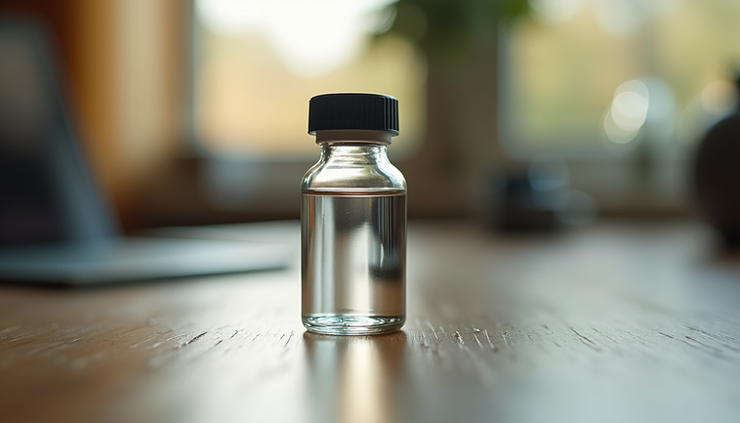
LSD typically comes in small doses measured in micrograms. It is often found on blotter paper, liquid form, or sometimes in tablets or capsules. The effects usually begin within 20 to 90 minutes after ingestion and can last up to 12 hours.
Legal Status in the U.S.
LSD is classified as a Schedule I controlled substance under U.S. federal law. This means it is illegal to manufacture, buy, possess, or distribute LSD. Despite this, some cities and states have decriminalized or deprioritized enforcement related to psychedelics, but these laws vary widely.
Anyone considering LSD should be aware of the legal risks involved. Staying informed about local laws and regulations is essential before making any decisions.
Preparing for Your First Experience
Preparation is key to having a safe and meaningful experience with LSD. Here are some important steps to consider:
Set and Setting
Your mindset (set) and physical environment (setting) play a huge role in shaping your experience. Choose a calm, familiar place where you feel safe and comfortable. Avoid crowded or noisy areas.
Have a Trusted Sitter
Especially for your first time, having a sober, experienced person nearby can provide reassurance and help if things become overwhelming.
Start with a Low Dose
Beginners should start with a low dose, typically around 50 to 75 micrograms, to gauge sensitivity. Higher doses can lead to more intense and unpredictable effects.
Avoid Mixing Substances
Combining LSD with alcohol, other drugs, or medications can increase risks and complicate the experience.
Plan for Time
Set aside a full day free from obligations. The effects last several hours, and you may need extra time to rest afterward.
What to Expect During an LSD Experience
LSD affects everyone differently, but some common effects include:
Visual distortions such as enhanced colors, patterns, or halos around objects
Altered sense of time and space
Heightened emotions and introspection
Changes in thought patterns, sometimes leading to new insights
Physical sensations like tingling or increased heart rate
Some users report spiritual or mystical experiences. However, LSD can also cause anxiety, confusion, or paranoia, especially in unfamiliar or uncomfortable settings.
Managing Challenging Moments
If you encounter difficult feelings or thoughts during your experience, try these strategies:
Remember the Effects are Temporary
The intensity will peak and then gradually fade.
Focus on Your Breathing
Slow, deep breaths can help calm anxiety.
Change Your Environment
Moving to a different room, going outside, or listening to soothing music may help.
Talk to Your Sitter
Sharing your feelings can provide comfort and grounding.
If distress becomes severe, seek medical help immediately.

Health and Safety Considerations
LSD is not physically toxic, but it can trigger psychological issues, especially in people with a history of mental health conditions like schizophrenia or bipolar disorder. It is important to:
Avoid LSD if you have a personal or family history of psychosis
Be honest with yourself about your mental health before trying LSD
Use it only in safe, controlled environments
Have a plan for aftercare, including rest and hydration
Finding Reliable Information and Support
Because LSD remains illegal federally, reliable information can be hard to find. Trusted sources include:
Research organizations focused on psychedelics, such as MAPS (Multidisciplinary Association for Psychedelic Studies)
Books and documentaries by experts in the field
Experienced community members who prioritize safety and harm reduction
Avoid relying on unverified online forums or street sources for guidance.
Final Thoughts on Starting with LSD
https://webcartels.vip/product/order-kismet-magic-mushroom-gummies/ https://webcartels.vip/product/order-kismet-magic-mushroom-gummies/


Comments