LSD-Related Emergency Cases in U.S. Hospitals
- jamesbanky71
- Apr 4
- 4 min read

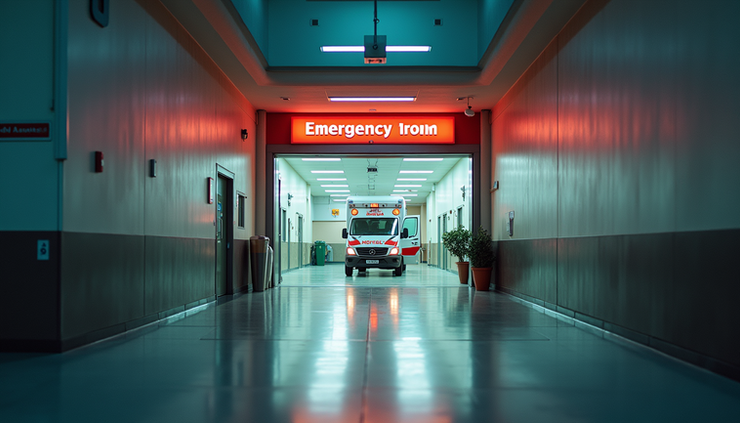
LSD, or lysergic acid diethylamide, has long been known as a powerful hallucinogenic drug. While its use declined for decades, recent years have seen a resurgence in LSD consumption across the United States. Alongside this trend, hospitals are reporting a noticeable increase in emergency cases linked to LSD use. This rise raises important questions about the risks, causes, and responses to LSD-related emergencies in healthcare settings.
Understanding these emergency cases helps medical professionals, policymakers, and the public better prepare for and manage the challenges posed by LSD use.
What Is LSD and Why Is It Used?
LSD is a synthetic chemical derived from ergot fungus found on rye and other grains. It alters perception, mood, and cognitive processes, often causing vivid hallucinations and changes in sensory experiences. Users typically take LSD in small doses, often on blotter paper, and effects can last 8 to 12 hours.
People use LSD for various reasons:
Recreational purposes: Seeking intense sensory experiences or altered states of consciousness.
Spiritual or self-exploration: Some use it to explore their mind or for personal insight.
Therapeutic research: Recent studies explore LSD’s potential in treating anxiety, depression, and PTSD, though this is still experimental.
Despite these uses, LSD remains illegal in the U.S., classified as a Schedule I substance, meaning it has a high potential for abuse and no accepted medical use.
Why Are LSD-Related Emergency Cases Increasing?
Several factors contribute to the rise in LSD-related emergencies in hospitals:
1. Increased Availability and Use
Recent surveys show a growing number of young adults experimenting with LSD. The drug’s availability has expanded through online markets and social networks, making it easier to obtain.
2. Variability in Dosage and Purity
Street LSD can vary widely in strength and purity. Some batches contain much higher doses than expected, increasing the risk of severe reactions. Others may be adulterated with dangerous substances.
3. Lack of Awareness About Risks
Many users underestimate the potential dangers of LSD. They may not recognize how it can trigger panic attacks, psychosis, or dangerous behaviors, especially in unfamiliar or stressful environments.
4. Polydrug Use
LSD is often used alongside other substances like alcohol, cannabis, or stimulants. Combining drugs can amplify negative effects and complicate medical treatment.
Common LSD-Related Emergencies Seen in Hospitals
Emergency departments report several types of cases linked to LSD use:
Psychological Distress and Panic Attacks
LSD can cause intense anxiety, paranoia, and panic. These episodes sometimes lead to emergency visits when users feel overwhelmed or lose control.
Psychotic Episodes
In some cases, LSD triggers hallucinations or delusions that persist beyond the drug’s active period. These episodes may require hospitalization for stabilization.
Accidents and Injuries
Under the influence of LSD, users may misjudge risks, leading to falls, car accidents, or self-harm. Emergency rooms treat many trauma cases related to impaired judgment.
Physical Symptoms
Though LSD is not typically toxic, it can cause:
Elevated heart rate
High blood pressure
Hyperthermia (increased body temperature)
Seizures (rare)
These symptoms sometimes require urgent medical care.
Case Example: Emergency Response to Severe LSD Reaction
A 22-year-old college student was brought to the emergency room after ingesting an unknown dose of LSD at a party. The patient exhibited extreme agitation, hallucinations, and aggressive behavior. Medical staff administered sedatives to calm the patient and monitored vital signs closely. After 24 hours, the patient stabilized and was discharged with a referral for mental health support.
This case highlights the need for quick, coordinated care and mental health resources in LSD emergencies.
How Hospitals Manage LSD-Related Emergencies
Emergency departments follow specific protocols to handle LSD cases:
Assessment: Medical staff evaluate vital signs, mental status, and possible co-ingestants.
Calming the patient: Reducing sensory stimuli and providing a safe environment helps manage anxiety and agitation.
Medication: Benzodiazepines are commonly used to control severe agitation or seizures.
Monitoring: Continuous observation ensures early detection of complications.
Mental health support: Psychiatric evaluation is crucial for patients experiencing psychosis or suicidal thoughts.
Hospitals also educate patients about the risks of LSD and provide referrals for substance use counseling.
Public Health Implications and Prevention Strategies
The rise in LSD-related emergencies signals a need for public health action:
Education campaigns targeting young adults can raise awareness about LSD risks.
Training for healthcare providers improves recognition and treatment of LSD emergencies.
Harm reduction programs can offer safer use information and support services.
Research into LSD’s effects and safer therapeutic uses should continue under strict controls.
Communities and policymakers must work together to reduce harm while respecting individual rights.
What Users Should Know to Stay Safe
For those who choose to use LSD despite risks, some safety tips include:
Use in a safe, familiar environment with trusted people.
Avoid mixing LSD with other substances.
Start with a low dose to gauge effects.
Have a sober person present to assist if needed.
Seek medical help immediately if severe symptoms occur.
Understanding these precautions can reduce the likelihood of emergencies.
https://webcartels.vip/product/order-kismet-magic-mushroom-gummies/ https://webcartels.vip/product/order-kismet-magic-mushroom-gummies/


Comments