Navigating Challenges on a Difficult Trip Tips and Strategies
- jamesbanky71
- Mar 15
- 4 min read

Traveling can be an exciting adventure, but sometimes trips take unexpected turns and become difficult. Whether due to travel delays, health issues, or emotional stress, a challenging trip can test your patience and resilience. Knowing how to handle these situations calmly and effectively can make all the difference. This post offers practical tips and strategies to help you navigate tough moments during your travels and come out stronger on the other side.
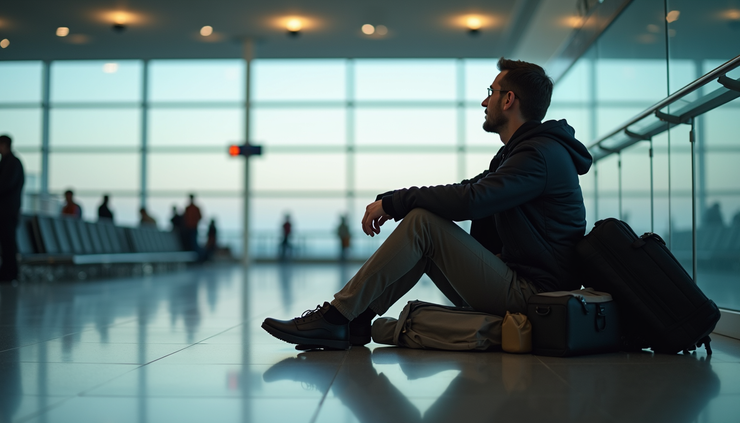
Recognize the Signs of a Difficult Trip Early
The first step to managing a difficult trip is to identify the signs early. These can include:
Feeling overwhelmed or anxious
Physical discomfort such as nausea or headaches
Unexpected delays or cancellations
Conflicts with travel companions
Feeling lost or disoriented in a new environment
By recognizing these signs, you can take action before the situation worsens. For example, if you feel anxious, try deep breathing exercises or find a quiet place to relax. If delays occur, check alternative routes or accommodations to reduce stress.
Prepare Mentally and Physically Before Traveling
Preparation can prevent many difficulties. Here are some ways to get ready:
Research your destination thoroughly, including local customs and emergency contacts
Pack essentials like medications, snacks, and comfort items
Ensure you have travel insurance for unexpected health or travel issues
Practice mindfulness or meditation to build mental resilience
Being prepared helps you stay calm and focused when challenges arise. For example, having a small first aid kit can ease worries about minor injuries or illnesses.
Use Distraction and Relaxation Techniques
When a trip becomes difficult, distracting your mind and relaxing your body can help. Try these methods:
Listen to calming music or podcasts
Engage in light physical activity like stretching or walking
Use guided meditation apps or breathing exercises
Read a book or watch a movie to shift focus
These techniques reduce stress and help you regain control over your emotions.
Reach Out for Support When Needed
You don’t have to face difficulties alone. Contact friends, family, or travel support services for help. Talking about your experience can provide relief and practical advice. If you are traveling with others, communicate openly about your feelings and needs to avoid misunderstandings.
Stay Hydrated and Nourished
Physical well-being affects mental state. Drink plenty of water and eat balanced meals to maintain energy levels. Avoid excessive caffeine or alcohol, which can worsen anxiety and dehydration.
Manage Unexpected Health Issues
If you experience physical or mental health challenges during your trip, take immediate steps:
Rest as much as possible
Use over-the-counter remedies for minor symptoms
Seek medical help if symptoms worsen or are severe
For those who use substances such as 4-AcO-DMT or 1P-LSD, it is crucial to have a trusted environment and support system. If a trip becomes difficult, focus on grounding techniques and avoid further use until feeling stable.
Plan for Safe and Comfortable Environments
Choosing where to stay and spend time during your trip can impact your experience. Look for places that offer:
Quiet and privacy
Access to nature or calming surroundings
Friendly and understanding staff or hosts
A comfortable environment helps reduce stress and supports recovery from difficult moments.

Use Journaling to Process Your Experience
Writing down your thoughts and feelings can be a powerful tool during challenging trips. Journaling helps you:
Organize your thoughts
Identify triggers and patterns
Reflect on positive moments and lessons learned
Keep a small notebook or use a smartphone app to jot down your experiences regularly.
Know When to Seek Professional Help
Sometimes, difficult trips reveal deeper emotional or psychological issues. If you notice persistent anxiety, depression, or trauma symptoms, consider consulting a mental health professional. Many therapists offer remote sessions, which can be accessed even while traveling.
Practical Tips for Handling Travel Delays and Disruptions
Delays and cancellations are common travel challenges. To handle them effectively:
Stay informed via airline or travel apps
Have backup plans for accommodations and transport
Keep essentials like chargers, snacks, and entertainment handy
Practice patience and kindness with staff and fellow travelers
These steps reduce frustration and help you adapt quickly.
Use Trusted Resources for Safe Substances and Support
For travelers who use substances such as MDMA capsules, magic mushrooms, or DMT, sourcing from reliable vendors is crucial for safety. Websites like WebCartels offer detailed product information and customer support to help users make informed choices.
Final Thoughts on Navigating Difficult Trips
Travel challenges are inevitable, but how you respond shapes your experience. By preparing well, staying calm, and using practical strategies, you can turn difficult moments into opportunities for growth. Remember to prioritize your well-being, seek support when needed, and keep a flexible mindset. Every trip, even the tough ones, adds to your resilience and wisdom as a traveler.
If you want to explore safe options for enhancing your travel experience, consider checking trusted products like LSD gel tabs or magic mushroom gummies available through reputable sources.
Travel safely and take care of yourself on every journey.


Comments