Popular Psychedelics Among U.S. College Students
- jamesbanky71
- Apr 5
- 4 min read

Psychedelics have gained notable attention in recent years, especially among college students in the United States. What was once a fringe interest has become more mainstream, sparking conversations about mental health, personal growth, and recreational use. This post explores the most popular psychedelics among U.S. college students, the reasons behind their rising use, and the potential impacts on campus life.
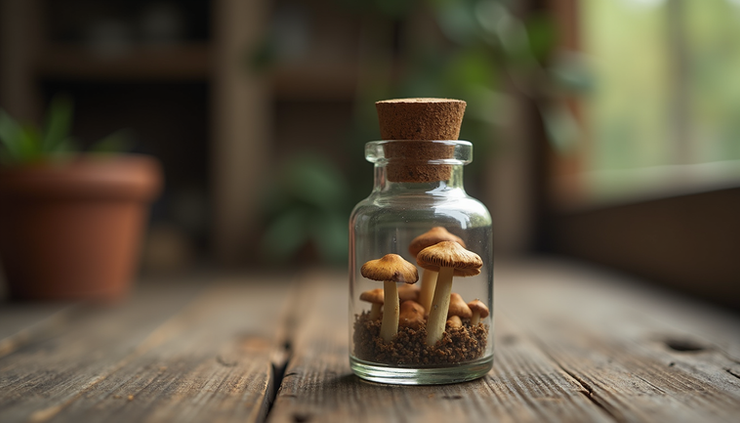
What Are Psychedelics and Why Are They Popular?
Psychedelics are substances that alter perception, mood, and cognitive processes. Common examples include LSD, psilocybin mushrooms, and MDMA. These substances can cause vivid sensory experiences, changes in thought patterns, and emotional shifts.
Among college students, psychedelics have become popular for several reasons:
Curiosity and experimentation: College is a time when many young adults explore new experiences.
Mental health interest: Some students seek psychedelics for potential therapeutic effects on anxiety, depression, or stress.
Social and cultural trends: Media coverage and changing laws have reduced stigma.
Spiritual exploration: Psychedelics are sometimes used for self-reflection and personal insight.
Most Popular Psychedelics Among College Students
Psilocybin Mushrooms
Psilocybin mushrooms, often called magic mushrooms, are the most commonly used psychedelics on college campuses. They grow naturally and are relatively easy to obtain or cultivate. Psilocybin converts to psilocin in the body, which affects serotonin receptors in the brain.
Students report effects such as:
Enhanced sensory perception
Feelings of connectedness
Altered sense of time
Research suggests psilocybin may help reduce symptoms of depression and anxiety, which adds to its appeal.
LSD (Lysergic Acid Diethylamide)
LSD is a synthetic psychedelic known for its potency and long-lasting effects. It is less common than mushrooms but remains popular due to its strong hallucinogenic properties.
Typical experiences include:
Visual distortions and hallucinations
Intense emotional shifts
Heightened creativity
LSD’s unpredictable effects mean it carries higher risks, but many students are drawn to its reputation for expanding consciousness.
MDMA (3,4-Methylenedioxymethamphetamine)
Though technically an empathogen rather than a classic psychedelic, MDMA is often grouped with psychedelics due to its mood-enhancing effects. It is popular at social events and music festivals.
MDMA effects include:
Increased feelings of empathy and connection
Elevated mood and energy
Reduced anxiety in social settings
Some students use MDMA recreationally, while others explore its potential for therapeutic use in controlled settings.
Factors Driving Psychedelic Use on Campus
Mental Health Challenges
College students face high levels of stress, anxiety, and depression. Traditional treatments do not work for everyone, leading some to explore psychedelics as alternative options. Studies have shown promising results for psychedelics in treating mental health conditions, which encourages interest.
Changing Legal Landscape
Several U.S. cities and states have decriminalized or legalized psilocybin mushrooms and other psychedelics. This shift reduces fear of legal consequences and increases accessibility.
Peer Influence and Community
Psychedelic use often spreads through social networks. Students may hear about positive experiences from friends or online communities, motivating them to try psychedelics themselves.
Media and Research Coverage
Documentaries, podcasts, and scientific studies highlighting psychedelics’ potential benefits have made the topic more mainstream. This coverage helps reduce stigma and encourages open discussion.

Risks and Considerations for Students
While psychedelics offer potential benefits, they also carry risks that students should understand:
Unpredictable effects: Psychedelic experiences vary widely and can cause anxiety or panic.
Legal consequences: Despite decriminalization in some areas, psychedelics remain illegal federally.
Mental health risks: People with a history of psychosis or certain psychiatric conditions may experience worsening symptoms.
Impaired judgment: Psychedelics affect decision-making and coordination, which can lead to accidents.
Students considering psychedelics should research thoroughly, start with low doses, and avoid mixing substances. Having a trusted, sober person present can also improve safety.
How Colleges Are Responding
Some universities have started to acknowledge the rise in psychedelic use and are adapting their approaches:
Educational programs: Workshops and seminars provide accurate information about psychedelics and harm reduction.
Mental health services: Counseling centers are becoming more open to discussing alternative treatments.
Policy updates: Some campuses review drug policies to balance safety with student autonomy.
These efforts aim to reduce harm and support students’ well-being.
Looking Ahead: The Future of Psychedelics on Campus
The trend of psychedelic use among college students is likely to continue growing as research advances and cultural attitudes evolve. This growth calls for:
More research on safe use and therapeutic potential
Open conversations about risks and benefits
Supportive campus environments that prioritize health and education
Students, educators, and policymakers all play a role in shaping how psychedelics fit into college life.
https://webcartels.vip/product/order-kismet-magic-mushroom-gummies/ https://webcartels.vip/product/order-kismet-magic-mushroom-gummies/


Comments