Psilocybin vs LSD Understanding the Key Differences for Beginners
- jamesbanky71
- Mar 12
- 3 min read

Psychedelic substances have gained attention for their unique effects on perception, mood, and cognition. Among these, psilocybin and LSD stand out as two of the most well-known and widely used. While both can induce profound experiences, they differ in origin, chemical structure, effects, and duration. Understanding these differences can help beginners make informed decisions and approach these substances with greater awareness.
What Is Psilocybin?
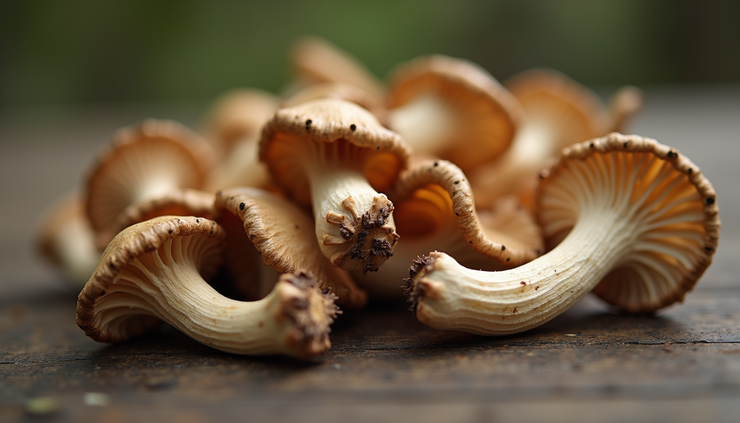
Psilocybin is a naturally occurring psychedelic compound found in certain species of mushrooms, often called "magic mushrooms." These mushrooms have been used for centuries in spiritual and healing rituals. When ingested, psilocybin converts into psilocin, which interacts with serotonin receptors in the brain, leading to altered perception and mood.
Common Forms of Psilocybin
Dried mushrooms: The most traditional form, often consumed directly or brewed into tea.
Edibles: Products like Polka Dot Mushroom Gummies and Polkadot Chocolate Bars offer a tasty and measured way to consume psilocybin.
Syrups and Bars: Concentrated forms such as Polkadot Mushroom Bars and Polkadot Syrup provide alternative consumption methods.
What Is LSD?
LSD (lysergic acid diethylamide) is a synthetic psychedelic first synthesized in 1938. It is known for its powerful effects on consciousness and perception. LSD acts primarily on serotonin receptors, similar to psilocybin, but its chemical structure and potency differ significantly.
Common Forms of LSD
Blotter paper: Small squares soaked with LSD, placed on the tongue.
Microdosing kits: Products like the 100ml 1P-LSD Microdosing Kit allow users to take small, controlled doses.
Pure crystals and capsules: Variants such as 1P-LSD Deadhead Chemist provide pure forms for precise dosing.
Key Differences Between Psilocybin and LSD
Origin and Chemistry
Psilocybin is natural, derived from mushrooms.
LSD is synthetic, created in a lab.
This difference affects availability, legality, and user experience.
Duration of Effects
Psilocybin trips typically last 4 to 6 hours.
LSD trips can last 8 to 12 hours or longer.
Longer duration with LSD means planning and setting are even more important.
Onset Time
Psilocybin effects usually begin within 20 to 40 minutes.
LSD effects start within 30 to 60 minutes.
Both require patience before the full experience unfolds.
Intensity and Visuals
LSD often produces more intense visual distortions and geometric patterns.
Psilocybin visuals tend to be softer, with enhanced colors and organic shapes.
Both can cause changes in perception, but the style differs.
Emotional and Cognitive Effects
Psilocybin is often described as more emotional and introspective.
LSD can be more energetic and analytical.
Individual reactions vary, but these trends help users anticipate their experience.
Dosage and Potency
Psilocybin doses are measured in grams of dried mushrooms or milligrams of pure compound.
LSD doses are measured in micrograms (µg), with typical doses around 100 µg.
Because LSD is active at much lower doses, precise measurement is critical.
Safety and Risks
Both substances carry risks, especially in uncontrolled settings. Common side effects include nausea, anxiety, and confusion. Serious risks arise from taking high doses or using in unsafe environments.
Harm Reduction Tips
Start with low doses, especially if new to psychedelics.
Use in a safe, comfortable setting with a trusted sober person.
Avoid mixing with other substances.
Be aware of legal status in your location.
For those interested in exploring these substances, reputable sources like WebCartels offer a variety of products with detailed descriptions to help users choose responsibly.
Practical Examples of Use
Microdosing: Both psilocybin and LSD are used in microdoses to enhance creativity, focus, and mood without full psychedelic effects. Products like the 100ml 1P-LSD Microdosing Kit support this practice.
Recreational use: Users seeking a full psychedelic experience may choose psilocybin mushrooms or LSD depending on desired duration and intensity.
Therapeutic settings: Research shows potential benefits of psilocybin in treating depression and anxiety, while LSD is studied for PTSD and addiction.
Legal Considerations
Both substances are controlled in many countries. Psilocybin mushrooms are illegal in most places but decriminalized or legal in some regions. LSD is generally illegal worldwide but may be available in research contexts.
Always check local laws before acquiring or using these substances. For those seeking to purchase, platforms like WebCartels Shop provide a range of options, but users must ensure compliance with their jurisdiction.
Summary
Psilocybin and LSD share similarities as psychedelics but differ in origin, duration, intensity, and effects. Psilocybin offers a shorter, often more emotional journey, while LSD provides a longer, more intense experience. Both require respect, preparation, and caution.
If you are curious about exploring these substances, start with thorough research and consider trusted sources for quality products. Whether you choose psilocybin edibles like Polka Dot Mushroom Gummies or LSD microdosing kits, understanding the key differences will help you navigate your experience safely and meaningfully.
For further exploration of related products, you can visit WebCartels and browse their selection, including other substances like MDMA capsules and amphetamine powders.


Comments