Psychedelics and Mental Health Risks in America
- jamesbanky71
- Apr 5
- 4 min read

Psychedelic substances have gained renewed attention in recent years, both in scientific research and popular culture. While many highlight their potential benefits for mental health conditions like depression and PTSD, it is crucial to understand the risks involved. Psychedelics are powerful compounds that can affect the brain in unpredictable ways. This post explores the mental health risks associated with psychedelics in America, offering a balanced view to help readers make informed decisions.
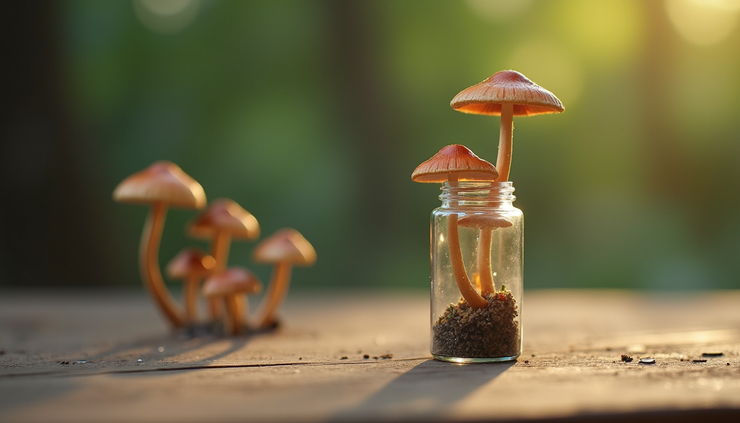
What Are Psychedelics?
Psychedelics are substances that alter perception, mood, and cognitive processes. Common examples include psilocybin (found in magic mushrooms), LSD, and DMT. These substances have been used for centuries in spiritual and healing rituals. Recently, clinical trials have explored their potential to treat mental health disorders. However, their effects can vary widely depending on dosage, environment, and individual brain chemistry.
Mental Health Risks Linked to Psychedelic Use
While psychedelics show promise in controlled settings, they carry mental health risks, especially when used outside medical supervision. Some of the key risks include:
Psychosis and Hallucinations
Psychedelics can trigger intense hallucinations and altered realities. For some, this may lead to psychotic episodes, especially in individuals with a family history of schizophrenia or other psychotic disorders.
Anxiety and Panic Attacks
The experience can be overwhelming, causing severe anxiety or panic. This is sometimes called a "bad trip" and can have lasting psychological effects.
Persistent Perceptual Changes
Some users report ongoing visual disturbances or flashbacks, known as Hallucinogen Persisting Perception Disorder (HPPD), which can interfere with daily life.
Mood Instability
Psychedelic use may worsen symptoms in people with bipolar disorder or lead to mood swings and emotional instability.
Dependence and Misuse
Although psychedelics are not considered addictive in the traditional sense, repeated unsupervised use can lead to psychological dependence or risky behavior.
Who Is Most at Risk?
Certain groups face higher mental health risks from psychedelics:
People with Pre-existing Mental Illness
Those with schizophrenia, bipolar disorder, or severe anxiety disorders should avoid psychedelics due to the risk of symptom exacerbation.
Young Adults and Adolescents
The developing brain is more vulnerable to long-term effects, making early use riskier.
Individuals Without Proper Guidance
Using psychedelics without professional support increases the chance of negative experiences and poor outcomes.
The Role of Set and Setting
The environment and mindset during psychedelic use greatly influence the experience. A safe, supportive setting with trusted individuals can reduce risks. Conversely, chaotic or unsupportive environments increase the likelihood of anxiety, paranoia, and trauma.
Legal Status and Its Impact on Mental Health Risks
In America, psychedelics remain largely illegal at the federal level, though some states and cities have decriminalized or legalized certain substances for medical use. This patchwork legal status affects access to safe, supervised use and increases the risk of unregulated products, which may be contaminated or mislabeled.
Examples of Mental Health Incidents Related to Psychedelics
A 2019 study reported cases where individuals experienced prolonged psychosis after using LSD, requiring hospitalization.
Emergency room visits involving psychedelics have risen in some states, often linked to unsupervised recreational use.
Anecdotal reports describe users developing persistent anxiety or depression following difficult psychedelic experiences.
How to Minimize Risks If Considering Psychedelic Use
If someone chooses to explore psychedelics, they can take steps to reduce mental health risks:
Research and Understand the Substance
Know the effects, dosage, and potential risks before use.
Use in a Safe Environment
Choose a calm, familiar place with trusted people present.
Avoid Mixing with Other Substances
Combining psychedelics with alcohol or other drugs can increase unpredictability.
Start with Low Doses
Begin with small amounts to gauge individual reactions.
Seek Professional Guidance
Consider participating in clinical trials or therapy sessions where psychedelics are administered under supervision.

The Future of Psychedelics and Mental Health in America
Research continues to explore how psychedelics can be safely integrated into mental health treatment. Regulatory changes may improve access to supervised therapy, reducing risks. Education about mental health risks and safe practices will be essential as public interest grows.
Understanding the mental health risks of psychedelics helps balance optimism with caution. These substances are not without dangers, especially when used without proper knowledge or support. By staying informed and cautious, individuals can better navigate the complex landscape of psychedelics in America.
If you or someone you know is struggling with mental health issues related to psychedelic use, seek professional help. Mental health support is available, and early intervention can prevent long-term harm.
https://webcartels.vip/product/order-kismet-magic-mushroom-gummies/ https://webcartels.vip/product/order-kismet-magic-mushroom-gummies/


Comments