The Impact of LSD on Brain Function and Consciousness Expansion
- jamesbanky71
- Feb 25
- 3 min read

LSD, or lysergic acid diethylamide, has fascinated scientists and curious minds for decades due to its profound effects on consciousness. Understanding how LSD changes brain function offers insight into the nature of perception, cognition, and the very experience of reality. This post explores the neuroscience behind LSD’s impact on the brain and how it leads to expanded states of consciousness.

How LSD Interacts with the Brain
LSD primarily affects the brain by interacting with serotonin receptors, especially the 5-HT2A receptor. Serotonin is a neurotransmitter that influences mood, perception, and cognition. When LSD binds to these receptors, it alters the normal signaling pathways, leading to changes in how neurons communicate.
Serotonin receptor activation: LSD acts as a partial agonist at 5-HT2A receptors, which are abundant in the cerebral cortex, the brain region responsible for higher cognitive functions.
Increased cortical excitation: This receptor activation increases the excitability of neurons, causing a cascade of neural activity that disrupts typical brain patterns.
Altered sensory processing: The changes in neural firing affect how sensory information is processed, often leading to vivid visual hallucinations and altered perception of time and space.
Brain Connectivity and LSD
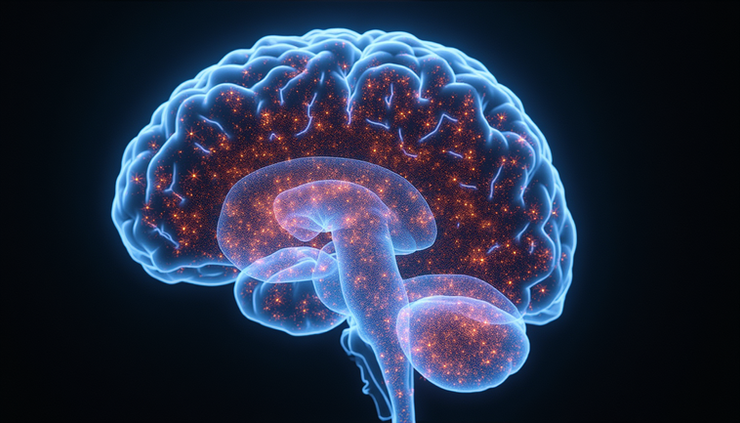
One of the most striking effects of LSD is its ability to change the way different brain regions communicate. Under normal conditions, the brain operates with distinct networks that handle specific functions. LSD blurs these boundaries.
Increased global connectivity: Brain imaging studies show that LSD increases communication between regions that usually do not interact strongly. This leads to a more integrated brain network.
Reduced default mode network activity: The default mode network (DMN) is linked to self-referential thoughts and the sense of ego. LSD reduces activity in this network, which may explain feelings of ego dissolution or loss of self.
Enhanced sensory and emotional integration: The increased connectivity allows sensory experiences to blend with emotions and memories, contributing to the profound subjective effects reported by users.
Consciousness Expansion Explained
The changes in brain function caused by LSD lead to what many describe as an expansion of consciousness. This includes:
Altered perception of reality: Users often report seeing patterns, colors, and shapes that are not present in the external environment.
Ego dissolution: The weakening of the default mode network can cause a loss of the usual boundaries between self and the world.
Heightened emotional sensitivity: Emotions can become more intense and intertwined with sensory experiences.
New insights and creativity: Some users find that LSD helps them think in novel ways, breaking free from habitual thought patterns.
These effects have made LSD a subject of interest not only for recreational use but also for potential therapeutic applications, such as treating depression, anxiety, and PTSD. Research is ongoing to better understand these possibilities.
Practical Considerations and Safety
While LSD offers fascinating insights into brain function and consciousness, it is important to approach its use with caution.
Set and setting: The environment and mindset of the user greatly influence the experience. A safe, comfortable setting reduces the risk of negative effects.
Dosage control: Effects vary widely with dose. Lower doses may produce mild perceptual changes, while higher doses can lead to intense experiences.
Potential risks: LSD can cause anxiety, paranoia, or panic in some individuals. It is not recommended for people with a history of psychosis or certain mental health conditions.
Legal status: LSD remains illegal in many countries. Users should be aware of the legal implications.
For those interested in exploring psychedelics, there are various products available online, including magic mushroom gummies, MDMA crystals, and other substances. Always prioritize safety and legality.
Summary
LSD profoundly changes brain function by altering serotonin receptor activity and increasing connectivity between brain regions. These changes disrupt normal patterns of perception and self-awareness, leading to expanded states of consciousness. While the experience can offer new perspectives and emotional insights, it also carries risks that require careful consideration.
Exploring the neuroscience of LSD helps us understand not only the drug’s effects but also the fundamental workings of the human brain and consciousness. For those curious about these experiences, staying informed and cautious is essential.
For more information and to explore related products, visit the webcartels shop.


Comments