The Influence of LSD on American Music History
- jamesbanky71
- Apr 4
- 3 min read

The 1960s marked a period of profound change in American culture, and music stood at the heart of this transformation. One of the most intriguing influences during this era was the psychedelic drug LSD (lysergic acid diethylamide). Its effects rippled through the music scene, shaping sounds, lyrics, and the very way artists approached creativity. This post explores how LSD influenced American music history, highlighting key moments, artists, and the lasting legacy of this powerful substance.

The Rise of Psychedelic Music in America
LSD entered the public consciousness in the early 1960s, initially through scientific research and later through countercultural use. Musicians quickly discovered that the drug could alter perception and inspire new creative directions. Psychedelic music emerged as a genre that aimed to replicate or enhance the LSD experience through sound.
Key Characteristics of Psychedelic Music
Use of unusual sounds and effects such as reverb, echo, and distortion
Extended instrumental solos and improvisation
Lyrics exploring consciousness, spirituality, and altered states
Incorporation of non-Western instruments like sitars and tablas
Bands like The Grateful Dead, Jefferson Airplane, and The Doors became synonymous with this style. Their music often reflected the surreal, mind-expanding qualities associated with LSD.
Influential Artists and Albums Shaped by LSD
Several iconic American musicians openly credited LSD with influencing their work. Their albums not only defined the psychedelic era but also pushed the boundaries of what popular music could be.
The Beatles and the American Psychedelic Scene
Though British, The Beatles had a massive impact on American music. Albums like Sgt. Pepper’s Lonely Hearts Club Band and Revolver incorporated psychedelic elements inspired by LSD experiences. Their influence encouraged American artists to experiment with new sounds and lyrical themes.
The Grateful Dead
Known for their improvisational live shows, The Grateful Dead embraced LSD as part of their creative process. Their music became a soundtrack for the counterculture movement, blending rock, folk, and blues with psychedelic experimentation.
Jimi Hendrix
Hendrix’s innovative guitar work and use of effects pedals created soundscapes that mirrored the psychedelic experience. His performances were often described as transcendent, capturing the spirit of the era.
How LSD Changed Songwriting and Performance
LSD did more than alter sounds; it changed how musicians wrote and performed music. The drug encouraged breaking free from traditional structures and exploring new forms of expression.
Lyrics became more abstract and symbolic, often reflecting inner journeys or cosmic themes.
Song structures moved away from verse-chorus formats to more fluid and unpredictable arrangements.
Live performances became immersive experiences, with light shows and extended jams enhancing the sensory impact.
This shift influenced not only psychedelic rock but also later genres like progressive rock and electronic music.
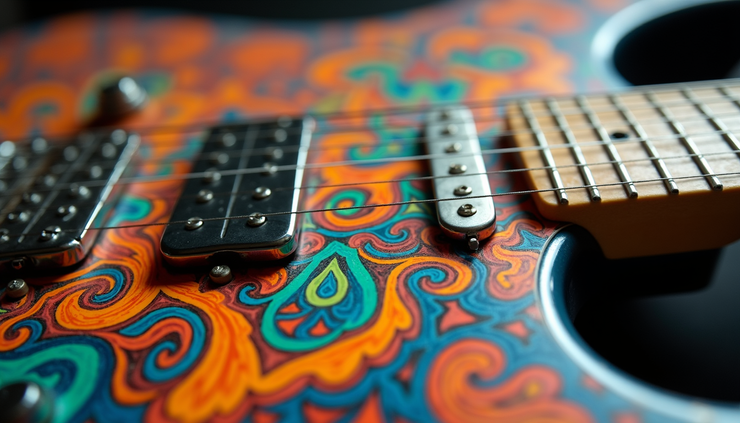
The Cultural Context Behind LSD’s Musical Influence
The popularity of LSD in music cannot be separated from the broader social and cultural changes of the 1960s. The drug symbolized rebellion against mainstream values and a search for deeper meaning.
The counterculture movement embraced LSD as a tool for expanding consciousness and challenging authority.
Music festivals like Woodstock became gathering points where psychedelic music and drug culture intertwined.
LSD’s influence extended beyond music to art, fashion, and literature, creating a unified cultural moment.
This context helped music become a vehicle for expressing new ideas about freedom, identity, and spirituality.
The Legacy of LSD in American Music Today
Though LSD use declined after the 1970s due to legal restrictions and changing tastes, its impact on American music remains visible.
Modern genres like psychedelic rock revival, indie, and electronic music draw on techniques pioneered during the LSD era.
Artists continue to explore themes of altered consciousness and experimentation in their work.
The idea of music as a transformative experience owes much to the innovations sparked by LSD.
LSD helped open doors for musicians to explore new creative territories, influencing generations that followed.
https://webcartels.vip/product/order-kismet-magic-mushroom-gummies/ https://webcartels.vip/product/order-kismet-magic-mushroom-gummies/


Comments