The Role of Women in America’s Psychedelic Movement
- jamesbanky71
- Apr 6
- 4 min read

The psychedelic movement in America is undergoing a profound transformation, and women are at the forefront of this change. Once sidelined in many scientific and cultural arenas, women today are shaping the future of psychedelic research, therapy, advocacy, and culture. Their leadership is not only expanding understanding of psychedelics but also challenging old narratives and creating more inclusive spaces. This post explores the pivotal role women play in America’s psychedelic movement, highlighting key figures, contributions, and the impact of their work.
Women as Pioneers in Psychedelic Research
Women have been essential in advancing psychedelic science, often pushing boundaries in a field historically dominated by men. Researchers like Dr. Robin Carhart-Harris and Dr. Amanda Feilding have gained recognition, but many women behind the scenes have contributed significantly to clinical studies and therapeutic protocols.
Dr. Julie Holland is a psychiatrist and psychopharmacologist who has written extensively on psychedelics and mental health. Her work bridges clinical research and public education, helping destigmatize psychedelic therapy.
Dr. Katherine MacLean has conducted groundbreaking studies on psilocybin’s effects on personality and spirituality, highlighting the therapeutic potential for anxiety and depression.
Women researchers often emphasize holistic approaches, integrating psychological, social, and cultural factors into their studies. This broad perspective enriches the field and supports more effective treatments.
Their efforts have helped pave the way for FDA-approved trials and the growing acceptance of psychedelics in mainstream medicine.
Advocates and Activists Shaping Policy and Public Perception
Beyond research, women are leading advocacy efforts to change laws and public attitudes about psychedelics. Their work includes lobbying for decriminalization, educating communities, and creating safe access models.
Maggie Serota co-founded the Psychedelic Society of Brooklyn, which offers education and community support around psychedelic use.
Amanda Fielding, founder of the Beckley Foundation, has been instrumental in international drug policy reform and funding scientific research.
Women activists often focus on social justice, emphasizing equitable access to psychedelic therapies and addressing historical harms caused by drug policies.
Their advocacy has contributed to landmark changes such as Oregon’s legalization of psilocybin therapy and the growing number of cities decriminalizing psychedelics.
Women Leading Psychedelic Therapy and Integration
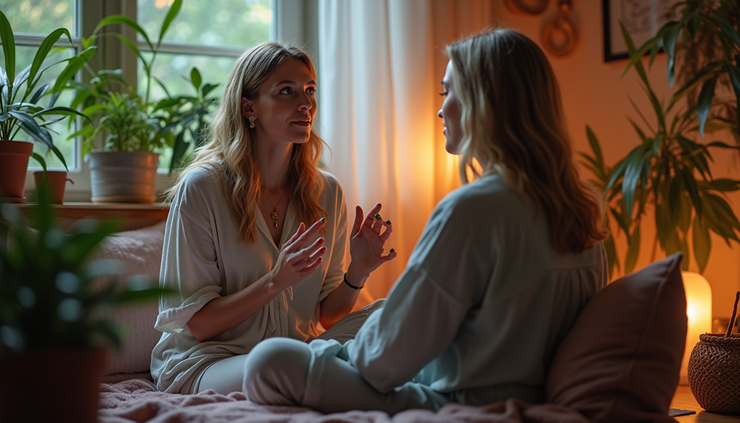
Therapists and facilitators play a crucial role in guiding individuals through psychedelic experiences and helping them integrate insights into daily life. Women have been pioneers in developing compassionate, trauma-informed approaches.
Annie Oak is a well-known psychedelic integration coach who supports clients in making lasting changes after psychedelic sessions.
Many female therapists emphasize the importance of creating safe, supportive environments, especially for marginalized groups.
Women-led retreats and clinics often incorporate holistic practices such as mindfulness, somatic therapy, and community building.
These approaches help clients process complex emotions and foster healing beyond the psychedelic experience itself.

Cultural Creators and Storytellers Expanding Psychedelic Narratives
Women artists, writers, and filmmakers are reshaping how psychedelics are understood culturally. Their work challenges stereotypes and explores the spiritual, creative, and healing dimensions of these substances.
Writers like Maya Elizabeth and Annie Oak share personal stories and practical advice, making psychedelic knowledge accessible.
Female filmmakers document psychedelic ceremonies and research, offering nuanced perspectives that highlight women’s experiences.
Artists create visual works inspired by psychedelic states, contributing to a broader cultural appreciation.
By sharing diverse stories, women help normalize psychedelics and invite more people to explore their potential safely and respectfully.
Challenges Women Face in the Psychedelic Movement
Despite their leadership, women in the psychedelic space often encounter challenges such as gender bias, underrepresentation in leadership roles, and safety concerns in psychedelic settings.
Women report needing to advocate strongly for their voices to be heard in scientific and policy discussions.
There is a growing awareness of the need for trauma-informed care to protect women from harm during psychedelic experiences.
Efforts to create inclusive spaces continue, with many women-led organizations focusing on diversity and equity.
Addressing these challenges is essential for the movement’s growth and integrity.
The Future of Women in Psychedelics
Women’s influence in America’s psychedelic movement is expanding rapidly. New generations of female scientists, therapists, and advocates are emerging, supported by networks and mentorship programs.
Organizations like the Women’s Visionary Council provide resources and community for women in psychedelics.
Increasing funding and research opportunities are helping women lead large-scale clinical trials.
Women’s leadership is fostering a more ethical, inclusive, and compassionate psychedelic culture.
This momentum promises continued innovation and positive change in how psychedelics are understood and used.
https://webcartels.vip/product/order-kismet-magic-mushroom-gummies/ https://webcartels.vip/product/order-kismet-magic-mushroom-gummies/


Comments