Understanding Drug Interactions With Psilocybin and Their Implications for Users
- jamesbanky71
- Mar 15
- 3 min read

Psilocybin, the active compound found in certain species of psychedelic mushrooms, has gained attention for its potential therapeutic benefits and unique effects on consciousness. As interest in psilocybin grows, so does the need to understand how it interacts with other substances. Drug interactions can alter the effects of psilocybin, increase risks, or cause unexpected side effects. This article explores the key drug interactions with psilocybin and what users should know to stay safe.
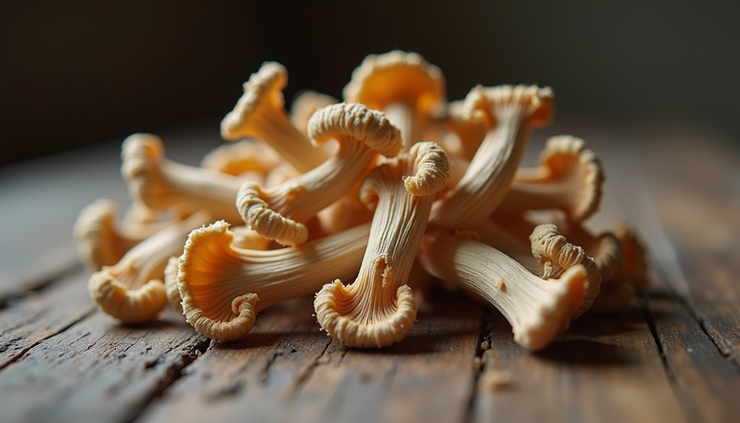
How Psilocybin Works in the Body
Psilocybin converts into psilocin in the body, which primarily affects serotonin receptors in the brain, especially the 5-HT2A receptor. This interaction leads to altered perception, mood changes, and cognitive shifts. Because psilocybin influences serotonin pathways, it can interact with other drugs that affect serotonin levels or brain chemistry.
Common Drug Interactions With Psilocybin
1. Serotonergic Medications
Drugs that increase serotonin levels, such as selective serotonin reuptake inhibitors (SSRIs), monoamine oxidase inhibitors (MAOIs), and serotonin-norepinephrine reuptake inhibitors (SNRIs), can interact with psilocybin.
SSRIs and SNRIs: These antidepressants may reduce the intensity of psilocybin’s effects by downregulating serotonin receptors. Users might find the psychedelic experience less pronounced or altered.
MAOIs: These inhibit the breakdown of serotonin and other neurotransmitters. Combining MAOIs with psilocybin can increase the risk of serotonin syndrome, a potentially life-threatening condition characterized by agitation, confusion, rapid heart rate, and high blood pressure.
2. Other Psychedelics and Psychoactive Substances
Mixing psilocybin with other psychedelics or psychoactive substances can amplify or unpredictably change effects.
LSD and 1P-LSD: Combining psilocybin with LSD or its analogs like 1P-LSD can intensify hallucinations and emotional responses. This combination requires caution due to increased psychological strain.
MDMA: MDMA affects serotonin release and reuptake. Using it alongside psilocybin can heighten emotional sensitivity but also increase risks of overheating, dehydration, and serotonin syndrome.
DMT and 5-MeO-DMT: These tryptamines share some receptor targets with psilocybin. Combining them may cause overwhelming experiences or adverse physiological effects.
3. Alcohol and Depressants
Alcohol and other central nervous system depressants can dull the psychedelic experience or increase side effects like nausea and dizziness. They may also impair judgment during the trip, increasing the risk of accidents.
4. Stimulants
Stimulants such as caffeine, amphetamines, or cocaine can increase heart rate and blood pressure. When combined with psilocybin, these effects may become more pronounced, potentially leading to cardiovascular stress.
Practical Advice for Users
Avoid mixing psilocybin with serotonergic medications unless under medical supervision.
Start with low doses if combining with other psychoactive substances to gauge individual sensitivity.
Stay hydrated and in a safe environment to reduce risks during the experience.
Consult healthcare professionals if you are on prescription medications or have underlying health conditions.
Legal and Safety Considerations
Psilocybin remains a controlled substance in many countries. Users should be aware of local laws and the risks involved. This article provides informational content only and does not substitute professional medical advice.
Exploring Related Substances
For those interested in psychedelics and related compounds, there are various substances available that share similarities or offer different experiences. Some examples include:
4-AcO-DMT: A synthetic tryptamine with effects similar to psilocybin. Buy 4-AcO-DMT online
MDMA Capsules and Pills: Known for empathogenic effects, available in various dosages. Explore MDMA products
1P-LSD Microdosing Kits: For those interested in microdosing psychedelics. Check 1P-LSD kits
Magic Mushroom Gummies and Bars: Alternative forms of psilocybin ingestion. Order mushroom gummies
These products vary in potency and effects, so understanding their interactions with psilocybin is crucial.

Summary of Key Points
Psilocybin interacts mainly with serotonin receptors, so drugs affecting serotonin can alter its effects.
Combining psilocybin with serotonergic medications or other psychedelics can increase risks like serotonin syndrome or intense psychological effects.
Alcohol and stimulants can complicate the experience by affecting heart rate, blood pressure, and cognition.
Users should approach combinations cautiously, prioritize safety, and seek medical advice if needed.
Exploring related substances requires careful research and awareness of potential interactions.
Understanding drug interactions with psilocybin helps users make informed decisions and reduces the risk of adverse effects. If you are considering using psilocybin or related compounds, prioritize safety, start with low doses, and avoid mixing substances without guidance.
For more information on psychedelic products and their effects, you can explore a range of options at Webcartels.


Comments