Understanding Mushroom Spores and Their Impact on Fungal Growth
- jamesbanky71
- Mar 14
- 3 min read

Mushrooms start their life cycle in a tiny, almost invisible form called spores. These spores are essential for the reproduction and spread of fungi. Understanding how mushroom spores work can reveal much about fungal growth, ecology, and even practical applications like cultivation. This article explores what mushroom spores are, how they function, and their role in the life of fungi.
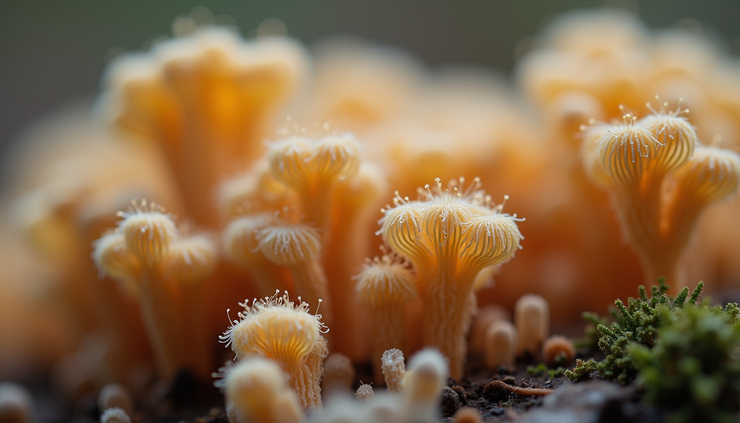
What Are Mushroom Spores?
Mushroom spores are microscopic reproductive units produced by fungi. They are similar to seeds in plants but much smaller and simpler. Spores carry the genetic material necessary to create a new fungal organism. When conditions are right, spores germinate and grow into mycelium, the network of fungal threads that eventually produces mushrooms.
Spores are typically released from the gills or pores located under the mushroom cap. They disperse through the air, water, or by attaching to animals, allowing fungi to colonize new environments.
How Spores Contribute to Fungal Growth
Spores are the starting point for fungal growth. Once a spore lands on a suitable surface with enough moisture and nutrients, it begins to germinate. This process involves the spore swelling and producing hyphae—thread-like structures that extend and branch out.
The hyphae grow and connect to form mycelium, which absorbs nutrients from the environment. This mycelial network can spread extensively underground or within decaying material. When the mycelium matures and environmental conditions favor reproduction, it produces fruiting bodies—the mushrooms we see above ground.
This cycle of spore release, germination, and mycelium growth is crucial for fungi to survive, adapt, and spread.
Types of Mushroom Spores
Mushroom spores vary widely depending on the species. They differ in shape, size, color, and surface texture. These differences help identify mushroom species and understand their ecological roles.
Basidiospores: Produced by Basidiomycete fungi, these spores are often found on gills or pores of mushrooms.
Ascospores: Produced inside sac-like structures called asci, common in Ascomycete fungi.
Asexual spores: Some fungi produce spores without sexual reproduction, allowing rapid colonization.
Each type of spore has adaptations suited to its environment, such as resistance to drying or the ability to travel long distances.
Environmental Factors Affecting Spore Germination
Spore germination depends on several environmental factors:
Moisture: Spores need water to activate and grow.
Temperature: Each species has an optimal temperature range for germination.
Nutrients: The presence of organic material or minerals supports mycelium growth.
Oxygen: Most spores require oxygen but some can germinate in low-oxygen environments.
Understanding these factors helps mushroom cultivators create ideal conditions for growing fungi.
Practical Applications of Mushroom Spores
Mushroom spores have many practical uses beyond natural fungal growth:
Cultivation: Spores are collected and used to grow mushrooms for food, medicine, or research.
Mycoremediation: Some fungi can break down pollutants; spores help spread these fungi in contaminated areas.
Biotechnology: Spores are studied for their unique properties in genetics and biochemistry.
For those interested in mushroom products, there are various options available online, including edible and infused items such as Polka Dot Mushroom Gummies and Polkadot Chocolate Bars. These products often use mushroom extracts derived from cultivated fungi grown from spores.
How to Collect and Use Mushroom Spores
Collecting spores is a simple process for enthusiasts and researchers:
Place a mature mushroom cap on a clean surface, gills down.
Cover it with a glass or bowl to prevent air disturbance.
After several hours, spores will drop onto the surface, creating a spore print.
The spore print can be used to identify the mushroom or to start cultivation.
Spores can be stored dry in a cool place for future use. When ready, they are introduced to a growth medium like sterilized grain or sawdust.
Challenges in Working with Spores
While spores are essential, they present challenges:
Contamination: Spores can carry unwanted bacteria or molds.
Viability: Not all spores remain viable after storage.
Identification: Some spores look similar, making species identification difficult without expert knowledge.
Proper techniques and sterile conditions are necessary for successful cultivation and research.
The Role of Spores in Ecosystems
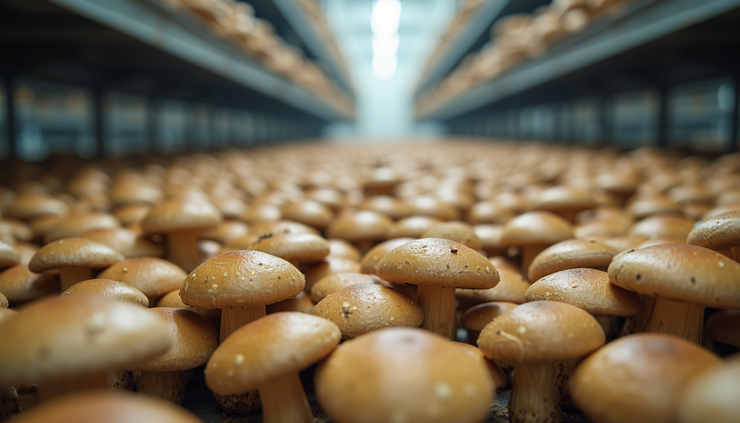
Spores help fungi play vital roles in ecosystems:
Decomposition: Fungi break down dead organic matter, recycling nutrients.
Symbiosis: Some fungi form partnerships with plants, aiding nutrient absorption.
Food source: Fungi and their spores serve as food for many animals.
By spreading through spores, fungi maintain biodiversity and ecosystem health.
Final Thoughts on Mushroom Spores
Mushroom spores are tiny but powerful agents of fungal life. They enable fungi to reproduce, spread, and fulfill essential ecological roles. Whether you are a mushroom grower, a nature enthusiast, or simply curious, understanding spores provides insight into the fascinating world of fungi.
For those interested in exploring mushroom products or cultivation supplies, check out the variety of options available at WebCartels, including unique items like Polkadot Mushroom Bars and Polkadot Syrup.


Comments