Understanding the Biology and Effects of Psilocybin Mushrooms
- jamesbanky71
- Mar 14
- 4 min read

Psilocybin mushrooms have captured the interest of scientists, psychonauts, and curious minds alike. These fungi contain compounds that can profoundly alter perception, mood, and cognition. Understanding their biology helps clarify how they work and why they produce such powerful effects. This article explores the biology of psilocybin mushrooms, their active compounds, how they affect the brain, and what current research reveals about their potential uses.

What Are Psilocybin Mushrooms?
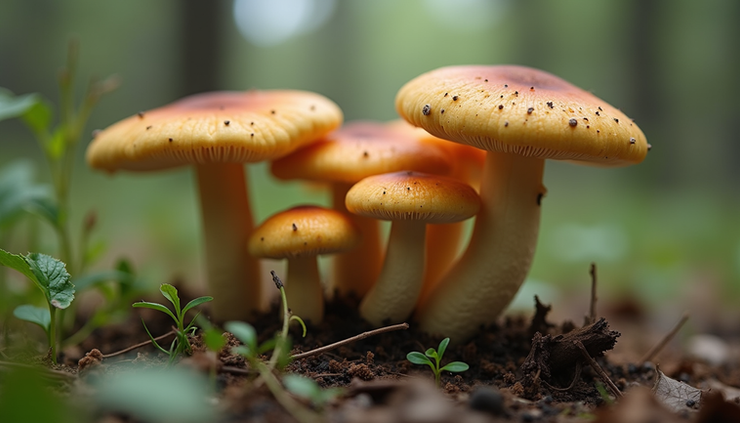
Psilocybin mushrooms, often called "magic mushrooms," belong to the genus Psilocybe. They naturally grow in various parts of the world, especially in humid, forested areas. These mushrooms contain the psychoactive compounds psilocybin and psilocin, which are responsible for their mind-altering effects.
The most common species include Psilocybe cubensis, Psilocybe semilanceata, and Psilocybe cyanescens. Each species varies slightly in potency and appearance but shares the same core active ingredients.
The Chemistry Behind Psilocybin Mushrooms
The primary psychoactive compound in these mushrooms is psilocybin. When ingested, psilocybin converts into psilocin, which interacts with serotonin receptors in the brain. This interaction causes changes in perception, mood, and thought processes.
Psilocybin: A prodrug that converts to psilocin in the body.
Psilocin: The active molecule that binds to serotonin receptors, mainly the 5-HT2A receptor.
Other compounds: Some mushrooms also contain baeocystin and norbaeocystin, which may contribute to the overall effect.
The chemical structure of psilocybin resembles serotonin, a neurotransmitter that regulates mood, cognition, and perception. This similarity allows psilocin to mimic serotonin and temporarily alter brain function.
How Psilocybin Affects the Brain
Psilocin binds to serotonin receptors, especially in areas of the brain involved in mood, cognition, and sensory perception. This binding causes a cascade of effects:
Altered sensory perception: Colors may appear more vivid, sounds can seem enhanced, and time perception may shift.
Emotional changes: Users often experience heightened emotions, ranging from euphoria to introspection.
Cognitive shifts: Thoughts may become more fluid, and users might experience new insights or creative ideas.
Default Mode Network disruption: Psilocybin reduces activity in the brain’s default mode network, which is linked to self-referential thinking and the ego. This disruption may explain feelings of ego dissolution or unity reported by users.
Research using brain imaging shows that psilocybin increases connectivity between brain regions that don’t usually communicate. This increased connectivity may underlie the unique experiences and altered states of consciousness.
The Lifecycle and Biology of Psilocybin Mushrooms
Psilocybin mushrooms grow from spores, which germinate into mycelium—the vegetative part of the fungus. The mycelium spreads through soil or decaying organic matter, absorbing nutrients. When conditions are right, the mycelium produces fruiting bodies, which are the mushrooms we recognize.
Key biological features include:
Spore dispersal: Spores are released from the gills under the mushroom cap and spread by wind or animals.
Growth conditions: These mushrooms thrive in moist, nutrient-rich environments, often growing on dung, wood, or soil.
Fruiting body development: The mushroom cap and stem develop to facilitate spore release.
The concentration of psilocybin varies depending on species, growth conditions, and maturity of the mushroom.
Potential Therapeutic Uses and Research
Recent studies have explored psilocybin’s potential to treat mental health conditions such as depression, anxiety, PTSD, and addiction. Clinical trials show promising results, with some patients experiencing lasting improvements after just a few guided sessions.
Depression: Psilocybin-assisted therapy has reduced symptoms in treatment-resistant depression.
Anxiety: Terminally ill patients report reduced anxiety and improved quality of life.
Addiction: Some studies suggest psilocybin can help break patterns of addiction to substances like tobacco and alcohol.
While these findings are encouraging, psilocybin remains a controlled substance in many countries, and more research is needed to fully understand its safety and efficacy.
Responsible Use and Safety Considerations
Psilocybin mushrooms can produce intense experiences that are not suitable for everyone. Risks include:
Psychological distress: Anxiety, paranoia, or panic can occur, especially in uncontrolled settings.
Physical effects: Nausea, dizziness, and increased heart rate are common.
Legal risks: Possession and use are illegal in many places.
Anyone considering use should research local laws, start with low doses, and ideally have a trusted, sober sitter present. Medical supervision is recommended for therapeutic use.
Exploring Psilocybin Products
Beyond natural mushrooms, psilocybin is now available in various forms such as gummies, chocolate bars, and syrups. These products offer controlled dosing and convenience. For example:
Polka Dot Mushroom Gummies and Chocolate Bars provide a tasty, measured dose.
Polkadot Syrup offers an alternative liquid form.
Other products like Tan Molly Rocks and THCA Exotic Flowers cater to different preferences.
These options can be found through specialized online shops offering secure worldwide shipping. Always ensure products come from reputable sources to guarantee quality and safety.
Final Thoughts on Psilocybin Mushrooms
Psilocybin mushrooms represent a fascinating intersection of biology, chemistry, and human experience. Their ability to alter consciousness stems from a unique interaction with brain chemistry. As research advances, their potential to support mental health treatment grows clearer.
Understanding their biology helps users and researchers appreciate the complexity behind these natural compounds. Whether for scientific study or personal exploration, approaching psilocybin mushrooms with respect and knowledge is essential.
For those interested in exploring psilocybin products, options like Polka Dot Mushroom Gummies and Polkadot Chocolate Bars offer accessible ways to experience these compounds responsibly.


Comments