Understanding the Mechanisms of Psilocybin in the Brain
- jamesbanky71
- Apr 29
- 4 min read

Psilocybin, a naturally occurring psychedelic compound found in certain mushrooms, has gained attention for its potential therapeutic effects and unique impact on the brain. Understanding how psilocybin works in the brain can help clarify why it produces profound changes in perception, mood, and cognition. This article explores the biological mechanisms behind psilocybin’s effects, highlighting key brain regions involved, the role of neurotransmitters, and the implications for mental health treatment.

How Psilocybin Enters and Affects the Brain
When ingested, psilocybin is quickly converted into psilocin, the active compound that interacts with the brain. Psilocin crosses the blood-brain barrier and binds primarily to serotonin receptors, especially the 5-HT2A receptor subtype. Serotonin is a neurotransmitter that regulates mood, perception, and cognition. By binding to these receptors, psilocin alters normal serotonin signaling, leading to changes in brain activity and connectivity.
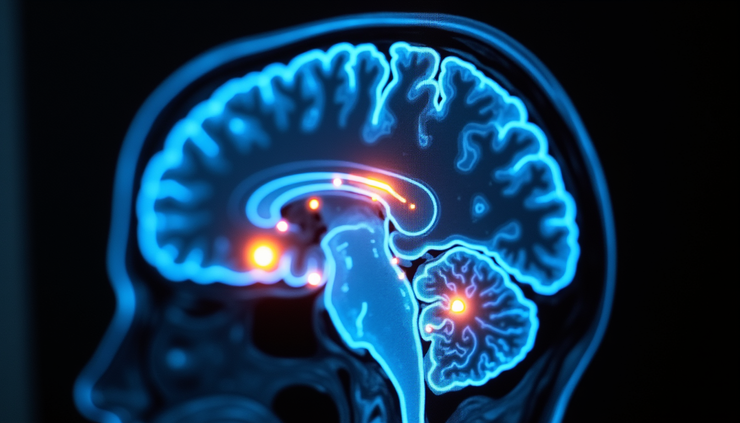
The 5-HT2A receptor activation is central to the psychedelic experience. This receptor is abundant in the cerebral cortex, the brain’s outer layer responsible for higher-order functions such as thinking, perception, and consciousness. Psilocin’s interaction with these receptors disrupts the usual patterns of brain activity, allowing for new connections and altered sensory processing.
Changes in Brain Connectivity and Network Dynamics
One of the most striking effects of psilocybin is its ability to change how different brain regions communicate. Under normal conditions, the brain operates through distinct networks that handle specific tasks. For example, the default mode network (DMN) is active during self-reflection and mind-wandering, while sensory networks process external stimuli.
Psilocybin reduces activity in the DMN, which is associated with the sense of self or ego. This reduction can lead to a feeling of ego dissolution, where the boundaries between self and environment blur. At the same time, psilocybin increases connectivity between brain regions that do not usually communicate extensively. This enhanced cross-talk may explain the vivid visual hallucinations, altered sense of time, and novel thoughts reported during a psychedelic experience.
Research using functional magnetic resonance imaging (fMRI) shows that psilocybin creates a more globally interconnected brain state. This state contrasts with the usual modular organization of the brain and may allow for greater cognitive flexibility and emotional insight.
Effects on Perception and Cognition
Psilocybin’s impact on serotonin receptors and brain networks leads to profound changes in perception and cognition. Users often report intensified colors, geometric patterns, and altered shapes. Time perception can slow down or feel distorted. These sensory changes arise from altered processing in the visual cortex and other sensory areas.
Cognitively, psilocybin can reduce rigid thought patterns and increase openness to new ideas. This effect has been linked to its potential in treating conditions like depression and anxiety, where negative thought loops dominate. By temporarily disrupting these loops, psilocybin may help “reset” the brain’s emotional circuits.
Potential Therapeutic Applications
Based on its brain effects, psilocybin has been studied for various mental health conditions. Clinical trials have shown promising results in treating:
Depression: Psilocybin-assisted therapy has reduced symptoms in patients with treatment-resistant depression.
Anxiety: Patients facing life-threatening illnesses experienced decreased anxiety after psilocybin sessions.
Post-Traumatic Stress Disorder (PTSD): Early research suggests psilocybin may help process traumatic memories by enhancing emotional openness.
These therapeutic effects are thought to arise from psilocybin’s ability to promote neuroplasticity—the brain’s capacity to form new connections—and to disrupt negative thought patterns.
Safety and Considerations
While psilocybin shows promise, it is important to approach it with caution. The psychedelic experience can be intense and unpredictable, especially without proper guidance. Research settings use controlled doses and professional support to minimize risks.
Psilocybin is not addictive, but it can cause psychological distress in some individuals, particularly those with a history of psychosis or certain mental health disorders. Understanding how psilocybin works in the brain helps researchers develop safer protocols and identify who may benefit most from its use.
Future Directions in Psilocybin Research
Ongoing studies aim to deepen our understanding of psilocybin’s brain mechanisms and therapeutic potential. Researchers are exploring:
How psilocybin influences brain plasticity at the cellular level.
The long-term effects of psilocybin on brain function and mental health.
Optimal dosing strategies and therapy models to maximize benefits and reduce risks.
Advances in brain imaging and molecular biology will continue to reveal how this compound reshapes brain activity and supports healing.

https://webcartels.vip/product/order-kismet-magic-mushroom-gummies/ https://webcartels.vip/product/order-kismet-magic-mushroom-gummies/


Comments