What States Are Decriminalizing Psychedelics?
- jamesbanky71
- Apr 6
- 5 min read

Psychedelic substances have gained significant attention in recent years for their potential therapeutic benefits and cultural significance. As public opinion shifts, several U.S. states have moved toward decriminalizing certain psychedelics, changing how these substances are regulated and accessed. This guide explores which states have taken steps to decriminalize psychedelics in 2024, what that means for residents, and how these changes could impact the future of psychedelic use and research.
What Does Decriminalization of Psychedelics Mean?
Decriminalization means reducing or removing criminal penalties for possessing or using certain substances. It does not mean full legalization, which would allow regulated sale and commercial distribution. Instead, decriminalization typically means law enforcement prioritizes other issues over prosecuting individuals for small amounts of psychedelics.
This shift often reflects growing recognition of psychedelics' potential benefits, especially in mental health treatment. Decriminalization can reduce the stigma and legal risks for users, opening doors for more research and therapeutic applications.
States Leading the Way in Psychedelic Decriminalization
Several states have passed laws or initiatives to decriminalize psychedelics, including psilocybin mushrooms, peyote, and other naturally occurring substances. Here are some key states making progress in 2024:
Oregon
Oregon was the first state to decriminalize psilocybin mushrooms in 2020 through Measure 109. The law allows regulated therapeutic use of psilocybin under licensed supervision. In addition, Measure 110 decriminalized possession of small amounts of all drugs, including psychedelics, shifting focus to treatment rather than punishment.
Oregon’s approach is unique because it combines decriminalization with a regulated therapeutic framework, making it a model for other states.
Colorado
In 2022, Colorado voters approved Proposition 122, which decriminalizes possession and personal use of psilocybin and other natural psychedelics for adults 21 and older. The law also creates a regulated system for therapeutic use, expected to launch in 2024.
This initiative reflects growing public support for psychedelics and aims to expand access while maintaining safety standards.
California
California has seen several local efforts to decriminalize psychedelics, with cities like Oakland and Santa Cruz leading the way. In 2024, state lawmakers are considering bills to decriminalize natural psychedelics statewide, though no law has passed yet.
Local decriminalization efforts often focus on reducing penalties for possession and use, signaling a shift in public attitudes.
Washington
Seattle decriminalized psilocybin mushrooms in 2021, and other cities in Washington are following suit. State-level legislation is under discussion, aiming to decriminalize possession of small amounts of psychedelics and support research.
Washington’s approach emphasizes harm reduction and expanding access to alternative treatments.
Vermont
Vermont passed a law in 2022 decriminalizing possession of small amounts of psychedelics, including psilocybin and MDMA. The state also supports research into therapeutic uses, reflecting a cautious but progressive stance.
This law reduces criminal penalties but does not create a legal market for psychedelics.
Other States with Emerging Psychedelic Decriminalization Efforts
Several other states have introduced bills or initiatives related to psychedelic decriminalization, though many are still in early stages:
Massachusetts: Local efforts in cities like Cambridge aim to decriminalize psychedelics, with state lawmakers exploring broader reforms.
New Mexico: Some cities have passed resolutions to deprioritize enforcement against psychedelic possession.
Michigan: Voters approved a measure in 2022 to decriminalize entheogenic plants, including psilocybin mushrooms.
Connecticut: The state has considered bills to decriminalize psychedelics, focusing on therapeutic use.
These efforts reflect a growing national trend toward reconsidering drug policies.
What Psychedelics Are Typically Decriminalized?
Most state laws focus on naturally occurring psychedelics, which often have a long history of traditional use. Common substances include:
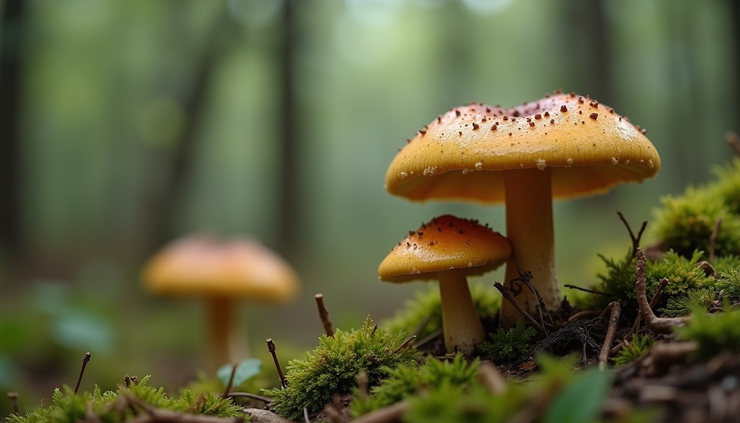
Psilocybin mushrooms: Known for their hallucinogenic properties and potential mental health benefits.
Peyote and San Pedro cactus: Contain mescaline and are used in religious ceremonies.
Ayahuasca: A brew containing DMT, used traditionally in South American spiritual practices.
MDMA and LSD: Some states include these synthetic psychedelics in decriminalization efforts, though often with more restrictions.
The specific substances covered vary by state and local laws, so it’s important to check regulations where you live.
How Decriminalization Affects Users and Communities
Decriminalization changes the legal landscape for users, researchers, and healthcare providers. Here are some practical effects:
Reduced legal risk: Individuals caught with small amounts of psychedelics face fewer or no criminal charges.
Increased access to therapy: States with regulated programs allow trained facilitators to provide psychedelic-assisted therapy.
Focus on health over punishment: Resources shift from law enforcement to treatment and education.
Community impact: Decriminalization can reduce incarceration rates and related social harms, especially in marginalized communities.
These changes aim to create safer, more supportive environments for those interested in psychedelics.
Challenges and Considerations in Psychedelic Decriminalization
While decriminalization marks progress, it also raises important questions:
Regulation and safety: Without full legalization, unregulated markets may persist, posing risks related to purity and dosage.
Federal law conflicts: Psychedelics remain illegal under federal law, creating legal uncertainty.
Access and equity: Ensuring that therapeutic programs are affordable and accessible to all communities remains a challenge.
Research limitations: Federal restrictions still limit large-scale clinical research, slowing scientific understanding.
Policymakers and advocates continue to work on addressing these issues to create balanced, effective frameworks.
What to Expect in the Future of Psychedelic Policy
The trend toward decriminalization is likely to continue as more states explore reforms. Key developments to watch include:
Expansion of regulated therapeutic programs beyond Oregon and Colorado.
Increased federal discussions on rescheduling psychedelics for medical use.
More local governments adopting decriminalization measures.
Growth in public education about safe psychedelic use and mental health benefits.
These changes could reshape how psychedelics are perceived and used in the U.S., opening new opportunities for healing and research.
Final Thoughts
The movement to decriminalize psychedelics reflects a shift in how society views these substances—from dangerous drugs to potential tools for healing and personal growth. States like Oregon and Colorado have set important examples by combining decriminalization with regulated therapeutic access. Other states are following, creating a patchwork of laws that reflect evolving public attitudes.
If you live in or visit a state considering or implementing psychedelic decriminalization, stay informed about local laws and available resources. This knowledge can help you navigate the changing landscape safely and responsibly.
As the legal environment evolves, continued dialogue, research, and education will be essential to maximize benefits and minimize risks associated with psychedelics.
https://webcartels.vip/product/order-kismet-magic-mushroom-gummies/ https://webcartels.vip/product/order-kismet-magic-mushroom-gummies/


Comments