Why Americans Are Turning to DMT in 2026
- jamesbanky71
- Apr 5
- 4 min read

The use of DMT (N,N-Dimethyltryptamine) has seen a notable increase in the United States in 2026. This powerful psychedelic compound, known for its intense and brief hallucinogenic effects, is attracting a growing number of Americans seeking new experiences, mental health benefits, or spiritual insights. Understanding why this trend is emerging requires looking at cultural shifts, scientific research, and changing attitudes toward psychedelics.
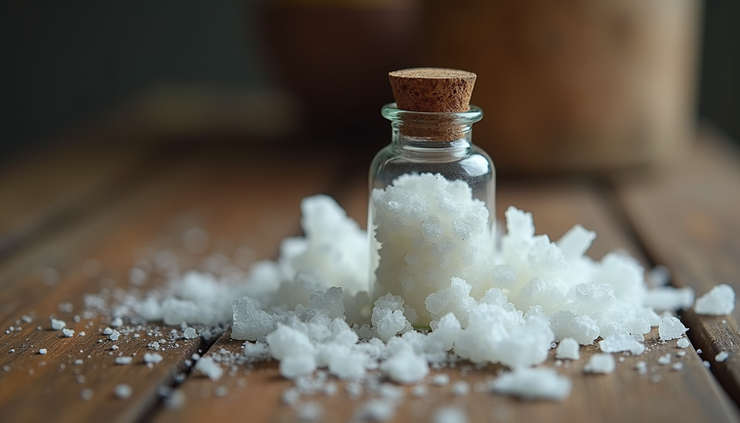
What Is DMT and Why Is It Gaining Attention?
DMT is a naturally occurring psychedelic found in various plants and animals. It produces a powerful but short-lived psychedelic experience, often described as a journey to otherworldly realms. Traditionally, DMT has been used in indigenous South American rituals, but its use in the U.S. has been mostly underground until recent years.
Several factors contribute to the rising interest in DMT:
Increased scientific research: Studies exploring psychedelics for mental health treatment have gained momentum. Researchers are investigating DMT’s potential to help with depression, anxiety, PTSD, and addiction.
Changing legal landscape: Some states and cities have decriminalized or deprioritized enforcement against psychedelics, creating safer spaces for exploration.
Cultural openness: Younger generations are more open to alternative therapies and spiritual practices, including psychedelics.
Accessibility: The internet and underground networks have made DMT easier to obtain and learn about.
Mental Health and Therapeutic Uses
One of the strongest drivers behind DMT’s rise is its potential therapeutic value. Mental health issues continue to affect millions of Americans, and many seek alternatives to traditional medications.
Rapid onset and short duration: Unlike other psychedelics, DMT’s effects last about 15 to 30 minutes, making it appealing for therapeutic sessions.
Research findings: Early studies suggest DMT can promote neuroplasticity, the brain’s ability to form new connections, which may help reset negative thought patterns.
Personal stories: Many users report profound emotional breakthroughs and lasting improvements in mood and outlook after DMT experiences.
Clinics and underground therapists are beginning to incorporate DMT into guided sessions, although it remains largely experimental and not yet widely approved for medical use.
Spiritual and Personal Growth
Beyond therapy, many Americans turn to DMT for spiritual exploration. The intense visions and altered states of consciousness often lead to feelings of interconnectedness, ego dissolution, and insight.
Spiritual seekers: People interested in meditation, mindfulness, and alternative spirituality find DMT a tool for deepening their practice.
Community and ritual: Some groups organize ceremonies inspired by indigenous traditions, emphasizing respect, intention, and safety.
Self-discovery: Users often describe DMT as a way to confront fears, understand themselves better, and gain perspective on life.
This spiritual dimension appeals to those looking for meaning beyond everyday life or traditional religion.
Risks and Safety Considerations
While DMT offers potential benefits, it also carries risks. It is important to approach its use with caution and awareness.
Psychological risks: Intense experiences can be overwhelming or trigger anxiety, especially in people with a history of mental illness.
Legal risks: DMT remains illegal under federal law, and possession can lead to serious legal consequences.
Physical risks: Although DMT is generally considered physically safe, combining it with other substances or certain health conditions can be dangerous.
Lack of regulation: The underground nature of DMT means purity and dosage are not guaranteed, increasing the risk of adverse effects.
Anyone considering DMT should research thoroughly, seek guidance from experienced users or professionals, and prioritize safety.

Social and Cultural Impact
The rise of DMT use reflects broader cultural changes in the U.S.:
Normalization of psychedelics: Psychedelic substances are becoming less stigmatized as more people share positive experiences and scientific evidence grows.
Youth culture: Millennials and Gen Z are more open to exploring consciousness and mental health alternatives.
Media coverage: Documentaries, podcasts, and books about psychedelics have increased public awareness.
Policy shifts: Some local governments are reconsidering drug laws, focusing on harm reduction rather than punishment.
This shift challenges traditional views on drug use and mental health treatment, opening new conversations about wellness and consciousness.
Practical Advice for Those Interested in DMT
If you are curious about DMT, consider these practical steps:
Educate yourself: Learn about effects, risks, and legal status in your area.
Start with trusted sources: Seek information from reputable books, scientific articles, and experienced guides.
Consider your mental health: Avoid use if you have a history of psychosis or severe anxiety.
Create a safe environment: Use DMT in a comfortable, controlled setting with a sober sitter.
Respect the substance: Approach DMT with intention and caution, not recreationally or casually.
Being informed and prepared can reduce risks and improve the experience.
https://webcartels.vip/product/order-kismet-magic-mushroom-gummies/ https://webcartels.vip/product/order-kismet-magic-mushroom-gummies/


Comments